
Analytics
Analytics & Measurement
GA4, attribution, and measurement tactics that keep marketing decisions grounded in real data.
GA4, attribution, and measurement tactics that keep marketing decisions grounded in real data.
Analytics only earns its keep when it changes what you do next.
Most marketing measurement programmes stop at dashboard delivery. A weekly PDF lands in the inbox, gets skimmed for a fortnight, and is then quietly ignored - because nothing it reports maps to a decision anyone is actually about to make. The numbers are accurate and useless at the same time.
The articles in this section assume a different baseline. Every event you track should ladder up to a decision. Attribution should reflect how customers actually buy - often six touchpoints over three months - rather than whatever the ad platform prefers to claim credit for. And measurement debt compounds far faster than most teams realise once GA4 drift, consent-mode gaps, and broken tags quietly start omitting conversions.
If your team is making decisions from dashboards that quietly omit twenty percent of conversions, that is the problem worth solving first - long before you debate which channel to scale next.
 Analytics
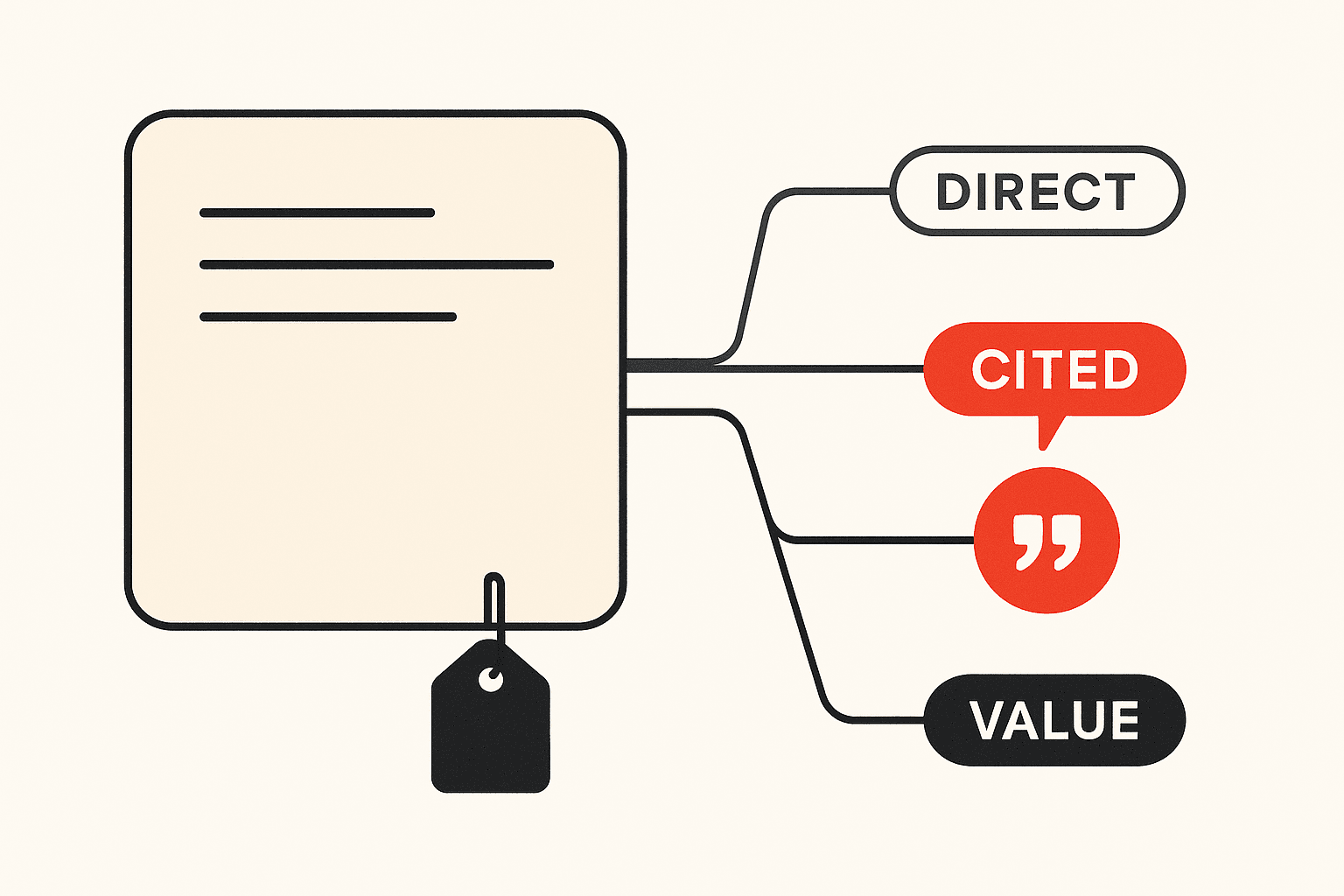
Every guide to content marketing ROI gives you the same formula: revenue minus cost, divided by cost. That formula needs a click. A growing share of our best-performing content produces no clicks at all - it ranks nowhere, gets cited everywhere, and shows up in sales calls as a sentence the prospect repeats back to us. So we stopped valuing pages on one stream and built a four-stream model instead. This is the full model, the worked example, the inputs and where to collect them, the keep-refresh-kill decision rule, and the three places the model is still guessing.
 Analytics
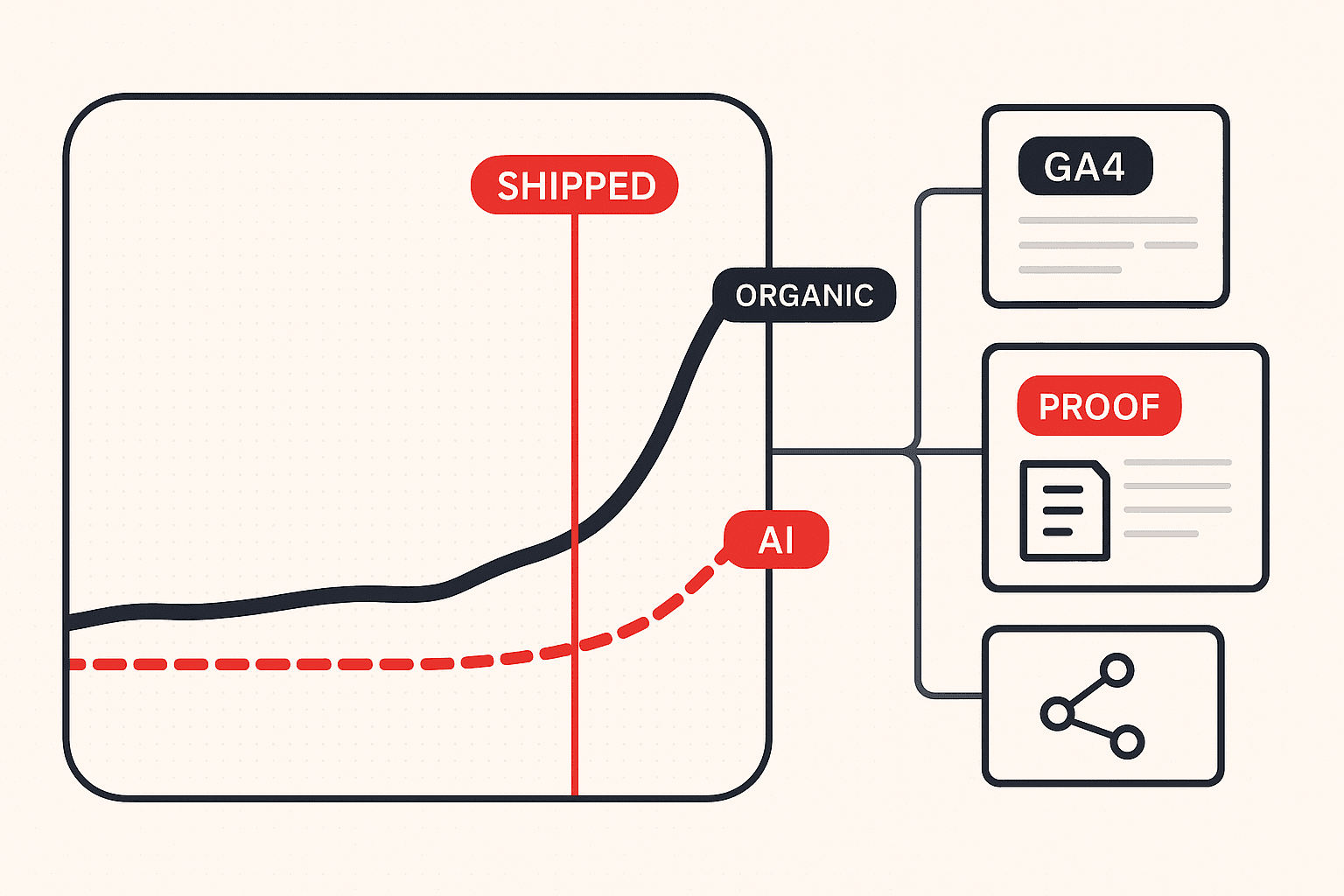
In the first week of May 2026 we shipped a full AEO and GEO programme on our own site. Thirteen months of GA4 and Search Console data later, here is what actually moved: AI referral sessions up 3.9x, classic organic up 3.0x, and the uncomfortable finding that organic delivered 7.8 times more absolute traffic than the AI channel everyone is writing business cases for. Full dataset, full method, and the GA4 reporting gap that hides 61% of AI referrals.
 Analytics
For 13 weeks we ran the same 62 buyer questions across ChatGPT, Gemini and Perplexity, three times each, for 14 client brands - just over 7,200 recorded answers. The headline is not who got cited. It is how unstable the whole surface is: a single check disagreed with itself 39% of the time, the three engines named the same brand on all three only 18% of the time, and 63% of every citation pointed at a domain the brand does not own. This is the full dataset, the method, and the four numbers we now report instead.
 Analytics
Organic sessions fell. Inbound enquiries rose. Both numbers were correct, and for two months we could not explain the gap to the client because our reporting only counted one of them. Zero-click search does not destroy demand, it relocates it - out of your sessions report and into branded search, direct traffic and the sentence a prospect says on the first call. This is the five-signal framework we built to measure the part that stopped showing up in Analytics, including the exact Search Console and GA4 steps, and the point at which a traffic drop really is just a traffic drop.
 Analytics
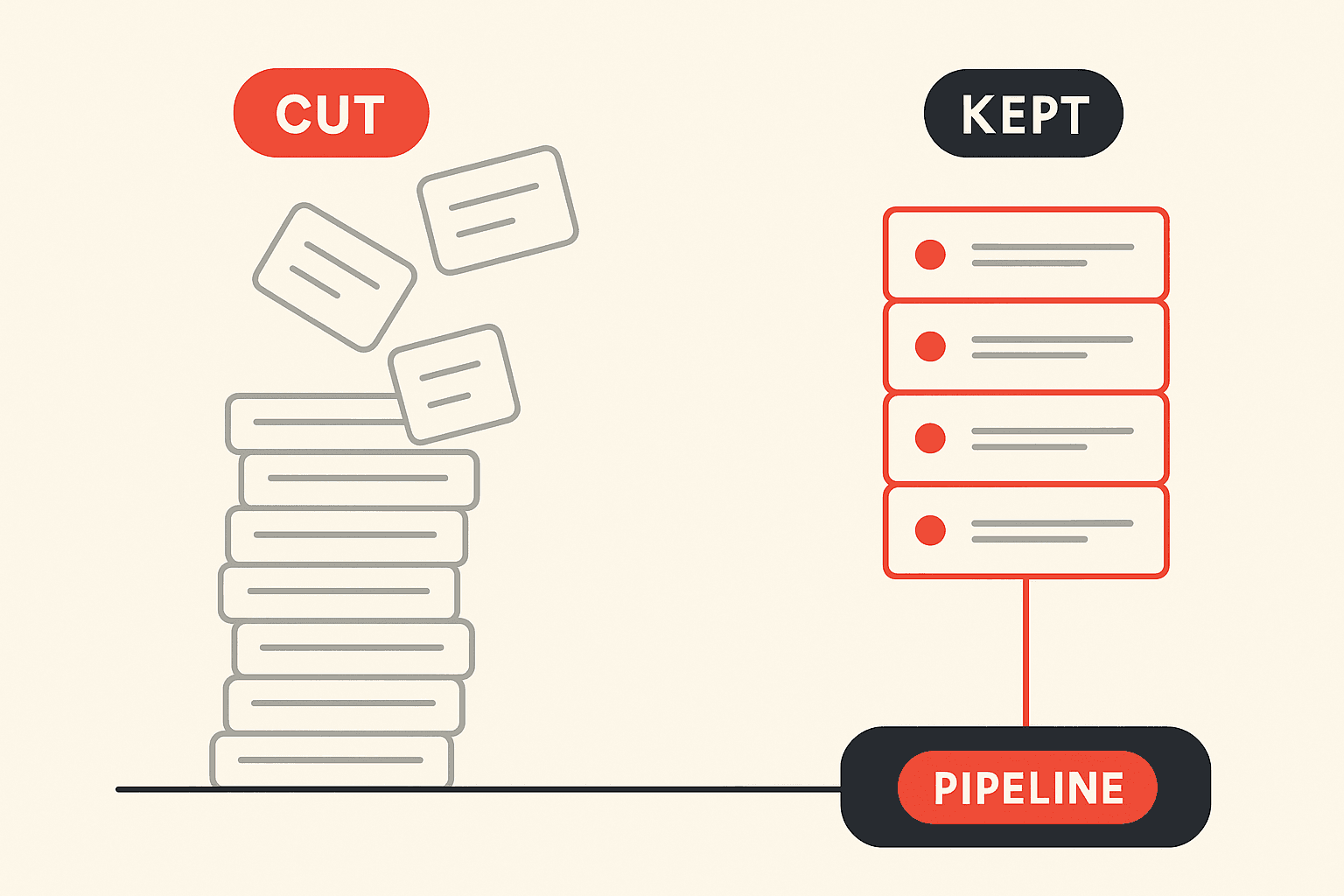
Our monthly client report used to run past twenty pages. Almost none of it changed a decision. So we deleted nine metrics - average keyword position, impressions, Domain Authority, bounce rate, headline sessions, backlinks acquired, time on page, crawl stats and the activity log - and rebuilt the report around three layers instead. This is what each metric was actually doing, why it had to go, what replaced it, and how to run the same cut on your own reporting without losing the client's trust.
 Analytics
Most SEO teams hunt for keyword opportunities in Ahrefs while a higher-trust intent signal sits ignored inside their own GA4: the queries real buyers type into the site search box. Here is how to extract them, classify them, and convert them into rankings and revenue.
 Analytics
Most teams use Google Analytics to confirm what they already believe. These 10 overlooked GA4 insights surface where traffic leaks, which channels are misattributed, and what organic is actually doing.
Let's talk about how we can grow your digital presence and increase inbound business.
Start with a Free SEO Assessment