

The most useful thing you can do before investing in AI marketing tools is to get clear on what problem you are actually solving.
The category has grown so quickly, and the vendor marketing is so uniform, that almost every tool promises to "save time, personalize at scale, and improve ROI." This makes selecting the wrong tools for your specific workflow genuinely easy.
This guide cuts through that noise. It covers the AI tool categories worth understanding and what each category actually delivers versus what it claims. It highlights which tools within each category have earned their place in serious marketing stacks, and the evaluation criteria that matter for teams deploying these at scale - including teams based in India where platform support, pricing in INR, and vernacular content requirements add additional selection criteria.
Quick Comparison: Top AI Marketing Tools by Use Case (2026)
| Tool | Category | Best For | Free Tier? | Price Starting |
|---|---|---|---|---|
| ChatGPT | Content / Copy | Drafting, ideation, outlines | Yes (GPT-4o) | ~$20/mo |
| Semrush | SEO | Keyword research, audits, competitive intel | Limited | ~$140/mo |
| Surfer SEO | SEO | On-page optimization | No | ~$90/mo |
| Jasper | Content writing | High-volume structured copy | No | ~$40/mo |
| Canva AI | Design | Visual content at scale | Yes | ~$15/mo |
| Mailchimp AI | Segmentation and send-time optimization | Yes | Free-$20/mo | |
| Buffer / Hootsuite | Social media | Scheduling + AI captions | Yes | ~$6/mo+ |
| Zendesk | Customer support | Ticket management + AI resolution | No | ~$55/agent/mo |
| Pictory | Video | Long-form to short-form repurposing | Limited | ~$19/mo |

Source: Statista
Why Most AI Tool Comparisons Miss the Point
The standard approach to covering AI marketing tools is a feature comparison matrix. That format tells you what each tool claims to do, not whether it will produce measurable business outcomes in your specific context.
The more useful evaluation framework starts with your workflow, not the vendor's positioning.
- Where is your team spending time on tasks that are repetitive, pattern-based, and do not require original judgment? That is where AI delivers genuine ROI.
- Where does your output quality depend on direct experience, audience knowledge, or creative originality? That is where AI is a support tool at best and a liability if used without expert oversight.
With that framing, here are the tool categories worth understanding, with honest assessments of what each delivers.
Source: Social Media Today
AI Content Writing Tools: High Potential, High Risk of Misuse
The content writing AI category has attracted more investment and more hype than any other segment, and it is also the category most frequently misused by marketing teams.
The legitimate use case is workflow acceleration for high-volume, structured content types:
- product descriptions,
- email subject line variants,
- social media caption drafts,
- meta tag generation, and
- first-draft outlines for content that a subject-matter expert will substantially edit.
For these use cases, tools like Jasper, Copy.ai, and ChatGPT deliver real-time savings.
The problematic use case is treating AI-generated content as publication-ready. This matters particularly for SEO because Google's quality systems have become progressively better at identifying content that lacks genuine expertise and firsthand experience. Content that reads as a competent synthesis of existing published material, which is structurally what AI produces, may rank initially but tends to underperform in competitive categories against content that demonstrates authentic practitioner knowledge.
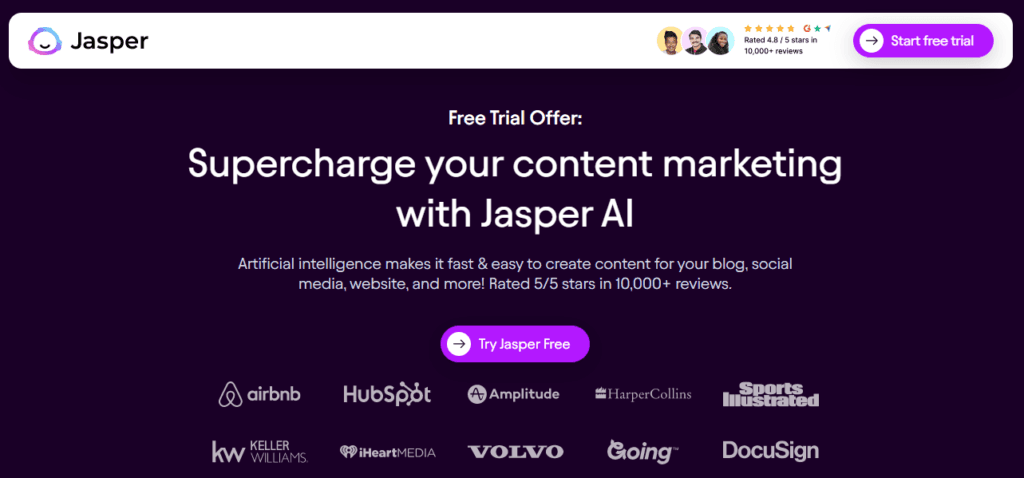
Jasper
Jasper is the most established enterprise-focused option in this category. Its strength is workflow integration:
- It connects with Surfer SEO for optimization guidance,
- supports team collaboration, and
- offers brand voice consistency settings.
For teams producing high volumes of structured marketing copy, the investment is justifiable. For individuals or small teams, the price point relative to the free tier of ChatGPT or Claude requires scrutiny.
ChatGPT
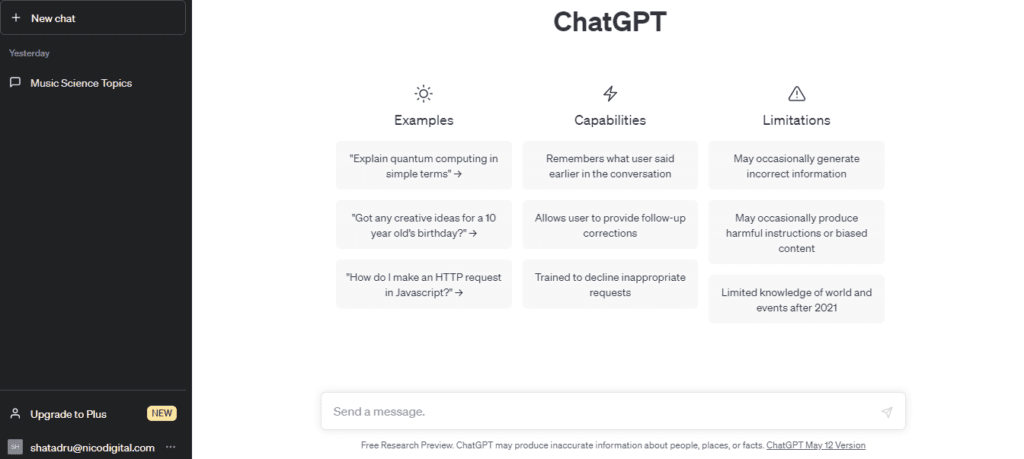
ChatGPT (GPT-4o in 2026) remains the most versatile option for teams that want a single tool for ideation, research assistance, outlining, and drafting across content types. Its weakness in a marketing context is that it requires specific, well-constructed prompts to produce genuinely useful outputs.
Teams that invest in developing good prompt libraries for their specific use cases get substantially more value from it than those using generic prompts.
Copy.ai
Copy.ai is positioned primarily for marketing copy rather than long-form content. It excels at producing multiple variants of short-form copy quickly:
- ad headlines,
- email subject lines,
- landing page headings, and
- product descriptions.
For teams running systematic A/B testing on copy elements, it reduces the time cost of generating test variants significantly.
Article Forge
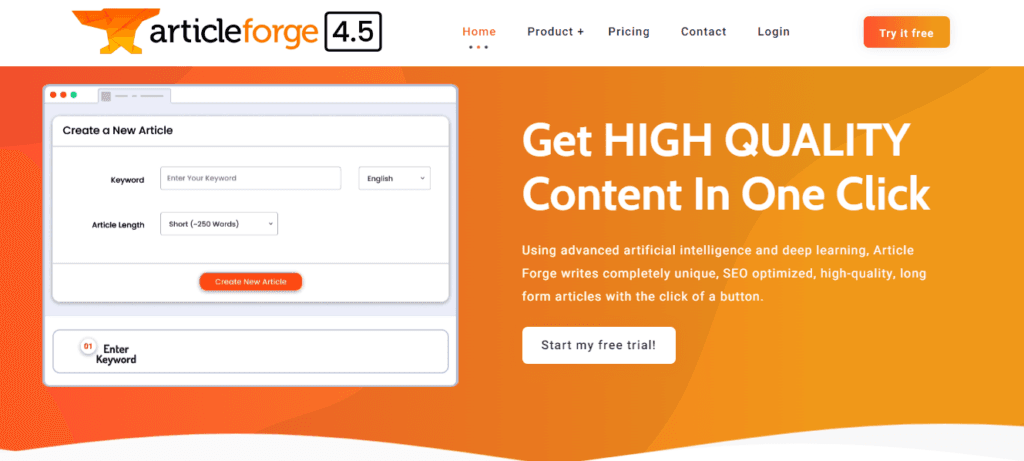
Article Forge sits at the automated end of the content generation spectrum. It is designed to produce full articles with minimal human input.
This is the use case most at odds with Google's quality guidelines, and for any brand where search visibility is a business objective, deploying it without substantial human editorial review is a significant risk.
The honest summary: Content AI tools are legitimate efficiency tools for supporting skilled writers, not replacements for them. Teams that use them to produce more volume with the same or reduced quality tend to experience negative SEO outcomes over time. Pairing AI writing tools with dedicated content marketing services tends to produce better results than either approach alone.
AI SEO Tools: Where the ROI Is Most Measurable
AI-augmented SEO tools have matured to the point where they deliver measurable, reliable value for specific tasks. Teams looking to scale results faster can also benefit from AI-powered SEO services that combine tool expertise with specialist execution.
This category has less hype risk than content writing because the outputs are more objectively evaluable: keyword data is either accurate or it is not, content optimization recommendations either correlate with ranking improvements or they do not.
Semrush
Semrush remains the most comprehensive platform in this category. Its keyword research database, backlink analytics, content audit functionality, and competitive intelligence tools cover the majority of what an in-house SEO team or agency needs for ongoing campaign management.
The AI features added in recent product cycles, including AI-assisted content briefs and the writing assistant, are incremental improvements to an already strong platform rather than transformative additions.
For teams choosing between Semrush and Ahrefs, the decision typically comes down to use case weighting:
- Ahrefs has a stronger backlink database and is preferred by many for link-building research.
- Semrush's broader feature set, including PPC data, social tracking, and content marketing tools, makes it more defensible as a single-platform investment. Brands working with a performance marketing agency can use this data to sharpen paid-search targeting alongside organic efforts.
Surfer SEO
Surfer SEO occupies a specific, valuable niche: on-page optimization guidance based on real-time SERP analysis. Its content editor scores content against the top-ranking pages for a target keyword, identifying gaps in topical coverage, semantic term usage, and structural elements.
The output is not a replacement for strategic judgment about what to write, but it is a useful calibration tool during content production.
The caveat with Surfer: Optimizing against what is already ranking can produce content that is comprehensive without being differentiated. The highest-performing content in competitive categories typically has a perspective or insight not found in competing pages, which Surfer cannot assess. Use it as a floor, not a ceiling.
GrowthBar
GrowthBar is a lighter-weight option well-suited to smaller teams or solopreneurs who need keyword research, basic competitive intelligence, and AI-assisted content briefs without Semrush's price point or complexity. Its Chrome extension integration makes competitive research efficient during browsing.
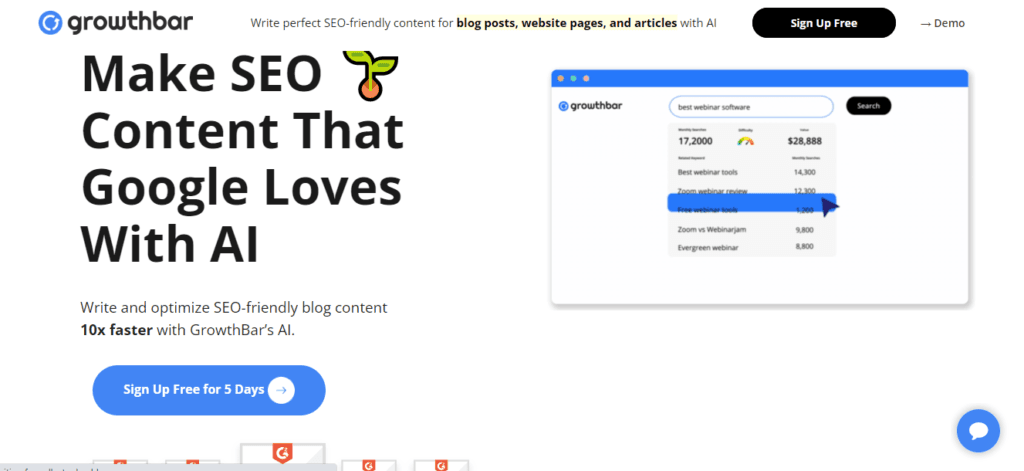
The depth of its data is lower than that of Semrush or Ahrefs, but for teams whose SEO needs are straightforward, it is a reasonable cost-to-capability trade-off.
AI Social Media Tools: Solving the Right Problems
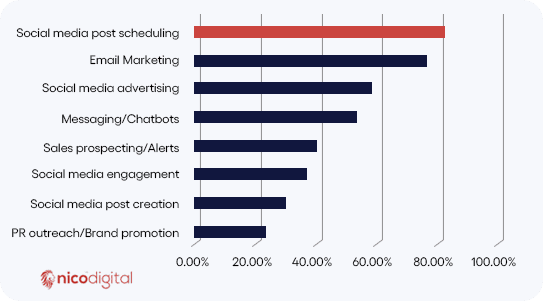
Social media AI tools solve a real operational problem for marketing teams managing multiple channels at scale: The volume of content required to maintain a consistent presence across platforms is genuinely difficult to sustain with manual production alone.
The tools that earn their investment in this category are those that address specific operational pain points rather than promising generic "better performance."
Buffer and Hootsuite
Buffer and Hootsuite are established platforms that have added AI content generation to their scheduling and analytics foundations.
If you are already using either for scheduling and management, the AI writing features reduce the friction of content production without requiring a separate tool.

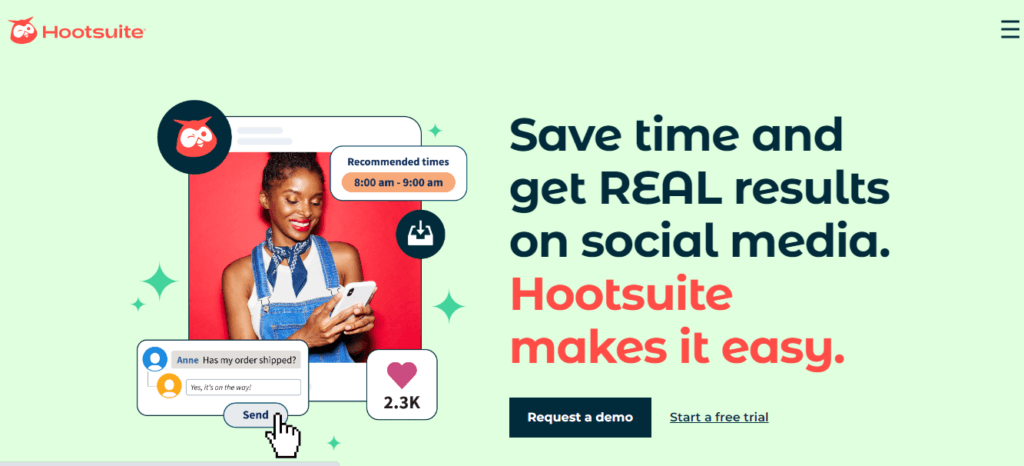
Both are worth evaluating on their core scheduling and analytics capabilities first, with AI features as a secondary consideration.
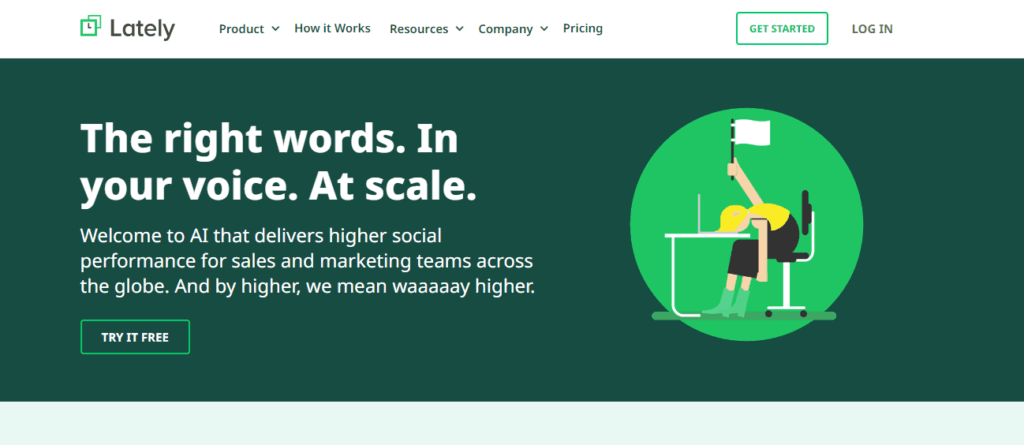
Lately.ai
Lately.ai is a more specialized tool with a specific value proposition since it analyzes your existing long-form content and generates social media posts from it.
For teams with a strong blog or video content program that are not systematically repurposing that content for social distribution, Lately addresses a genuine gap. The quality of generated posts requires human review before publishing, but the efficiency gains for high-volume repurposing workflows are real.
Emplifi
Emplifi targets the analytics and insights end of social media management. Its strength is the depth of competitive benchmarking and audience analytics it provides, which gives social media teams data-driven direction for content strategy adjustments.
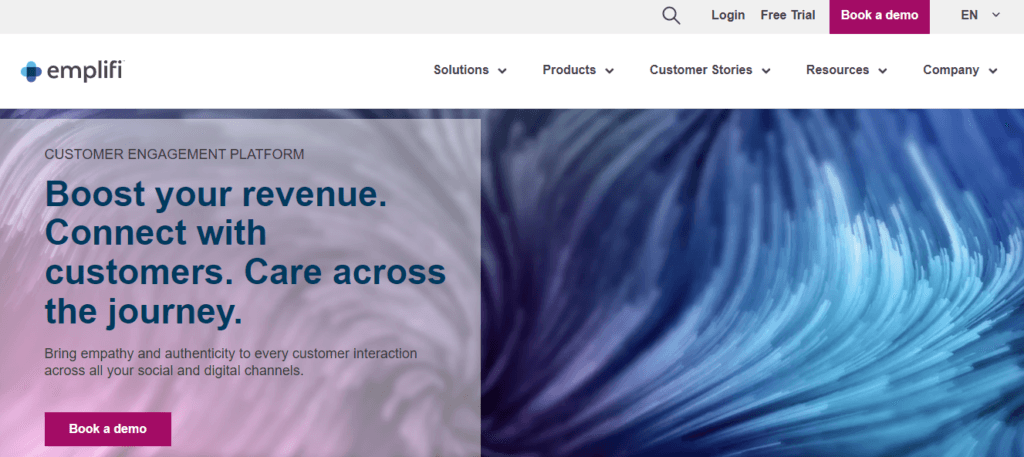
For enterprise teams where social media performance is reported at the business level and needs to connect to broader audience intelligence, Emplifi justifies its investment. For smaller teams, the price point relative to built-in analytics in Hootsuite or Buffer requires justification.
The common mistake in this category: Using AI tools to increase social posting frequency without improving content quality. Higher volume of mediocre content typically produces engagement decline over time.
The more defensible use is using AI to maintain quality and consistency at current or modestly increased volume, freeing up team time for higher-judgment strategic work. For brands seeking specialist support, digital marketing services India that combine AI tooling with platform expertise tend to outperform tool-only approaches.
AI Email Marketing Tools: The Highest-ROI Channel
Email marketing AI tools have a particularly compelling ROI case because the optimization variables they address, send timing, subject line performance, audience segmentation, and personalization depth, have direct, measurable revenue impact in a channel with inherently low cost per communication.
Mailchimp
Mailchimp's AI capabilities have improved significantly in recent product cycles. Its predictive segmentation, which uses purchase and engagement behavior to identify customers likely to convert or churn, is genuinely useful for D2C brands managing lists above 10,000 contacts.
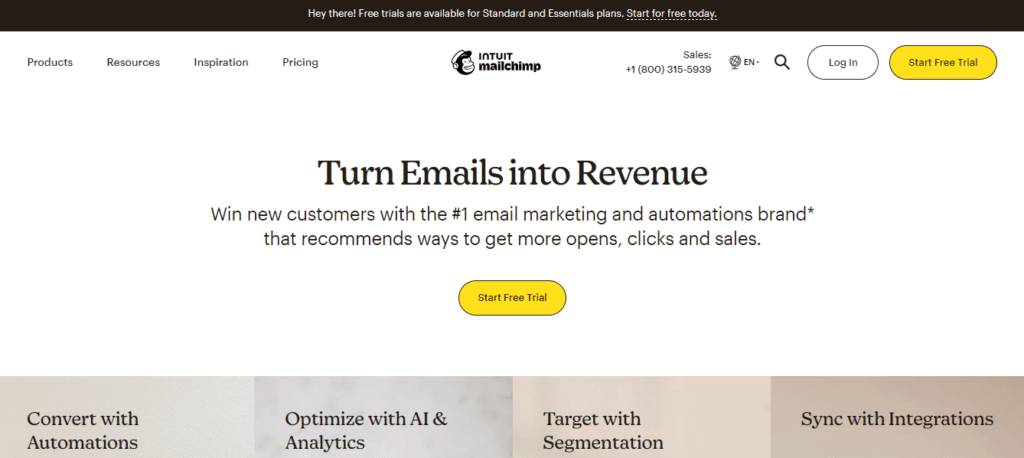
The content optimizer for subject lines and preview text is a lower-sophistication feature, but it delivers incremental improvement for teams that are not already A/B testing systematically.
Seventh Sense
Seventh Sense takes a narrow but valuable approach: it optimizes email send timing at the individual contact level based on each person's historical open behavior. The premise is that optimal send timing varies by person, and that personalized timing outperforms batch-and-blast scheduling.
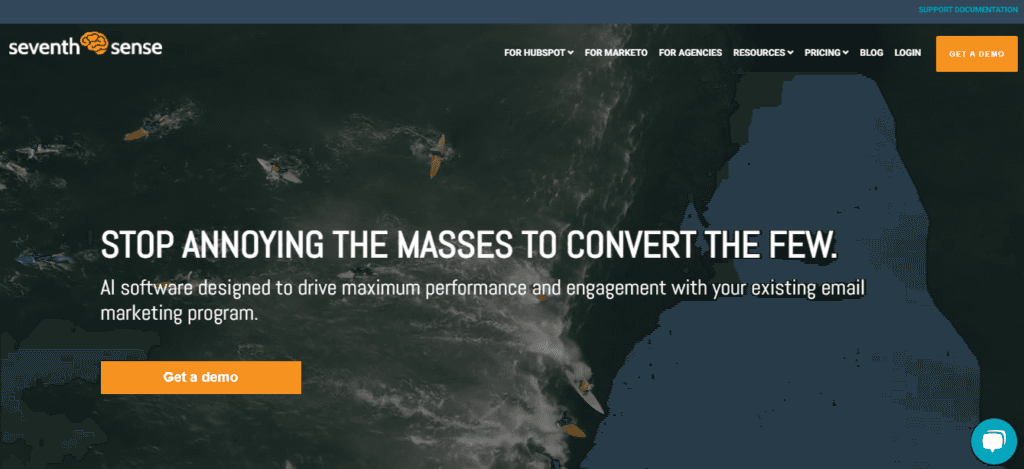
The evidence from case studies supports this, particularly for HubSpot and Marketo users, where the integration is native. The limitation is that it solves one dimension of email performance, timing, without addressing content quality, segmentation, or offer relevance.
Optimove
Optimove operates at the enterprise end of the personalization spectrum, using predictive analytics to drive campaign triggering and content personalization at scale.
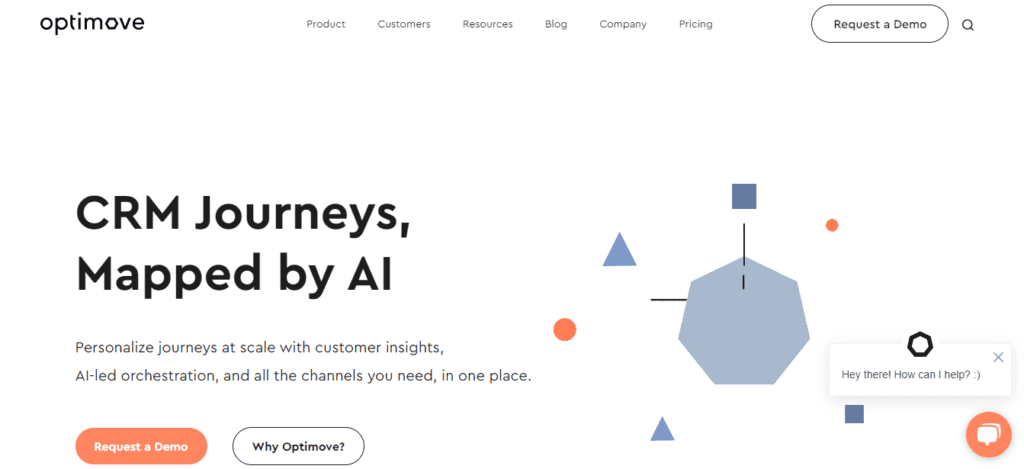
Its strength is in retention marketing for e-commerce businesses with large customer databases, where predictive churn modeling and lifecycle stage segmentation drive meaningful revenue impact. However, it is better suited to mid-market and enterprise teams, not early-stage businesses.
Smartwriter.ai
Smartwriter.ai serves a different function where it automates the research and personalization layer of cold email outreach for link building and sales prospecting.
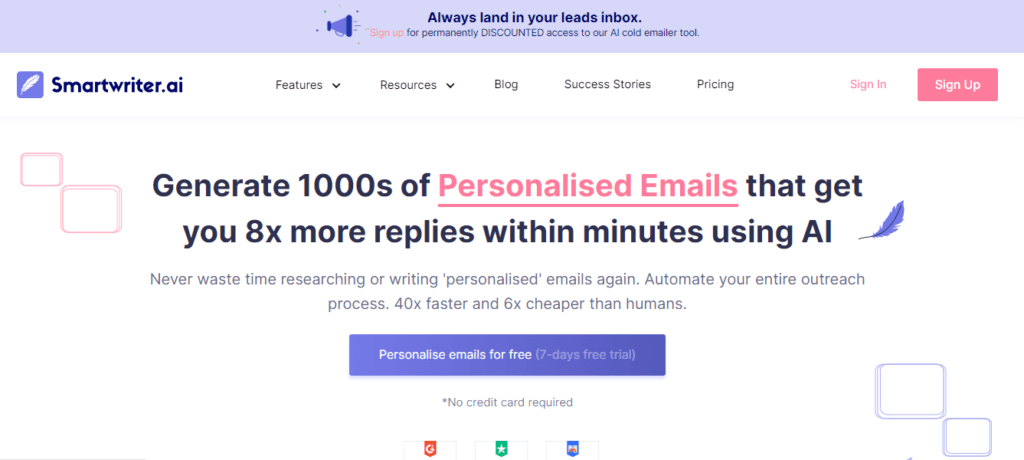
For SEO teams running link-building campaigns at scale, it reduces the time cost of personalizing outreach emails with specific references to the recipient's content or site. The quality of personalization output is variable and requires spot-checking before campaigns are sent.
The strategic point worth making about this category: AI email tools compound their value over time by accumulating behavioral data. The earlier you implement proper tracking and segmentation infrastructure, the more accurately your AI tools can predict and optimize. This is a reason to prioritize email marketing AI investment earlier in your growth trajectory than the immediate ROI calculation might suggest.
AI in Customer Support: Right Use, Real ROI
Customer support AI tools deliver their best outcomes when they are handling well-defined, high-frequency queries that follow predictable patterns, and routing everything else efficiently to human agents.
Teams that deploy chatbots expecting them to handle complex or emotionally sensitive interactions without human fallback consistently see customer satisfaction decline.
Zendesk
Zendesk is the most established platform in this category, and its AI features are built into a broader support infrastructure that includes ticketing, analytics, and multi-channel management.
For teams that have not yet standardized on a support platform, Zendesk's comprehensiveness makes it worth evaluating as a combined investment rather than a standalone chatbot decision.

Drift
Drift is built for the B2B sales and marketing use case specifically. These include:
- qualifying website visitors,
- engaging potential buyers during high-intent browse sessions, and
- routing sales-ready leads to the appropriate team member.
Its performance depends heavily on the quality of the conversation flows built into it and the speed of human handoff when qualification criteria are met.
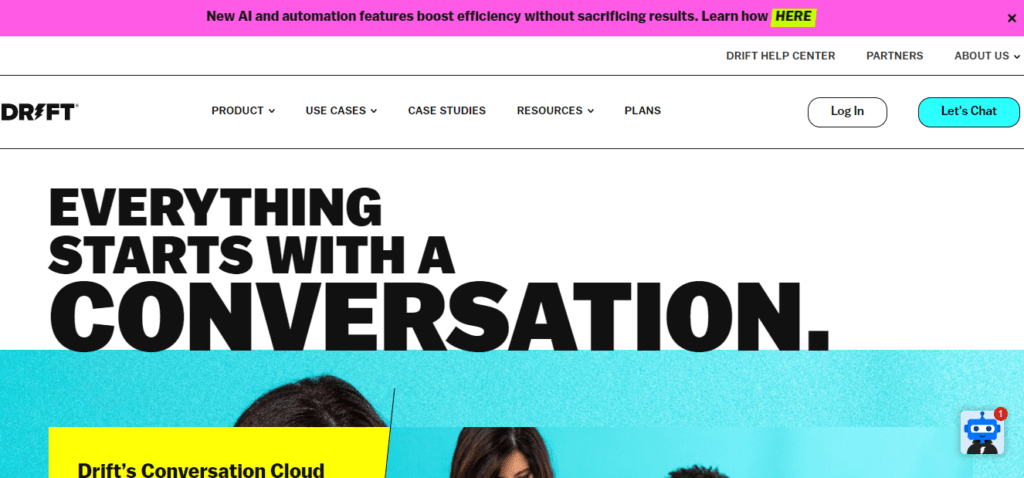
For B2B companies with meaningful website traffic and a defined ICP, the investment case is straightforward. For B2C or lower-ticket businesses, the cost-to-value ratio is less clear.
Netomi
Netomi claims a 70% autonomous resolution rate for customer inquiries. That figure requires context: The 70% represents queries that fall within the chatbot's trained response scope, not the proportion of all inbound queries it resolves without escalation.
For businesses where a large proportion of support volume is genuinely routine (order status, return policy, basic product questions), Netomi's approach is appropriate.
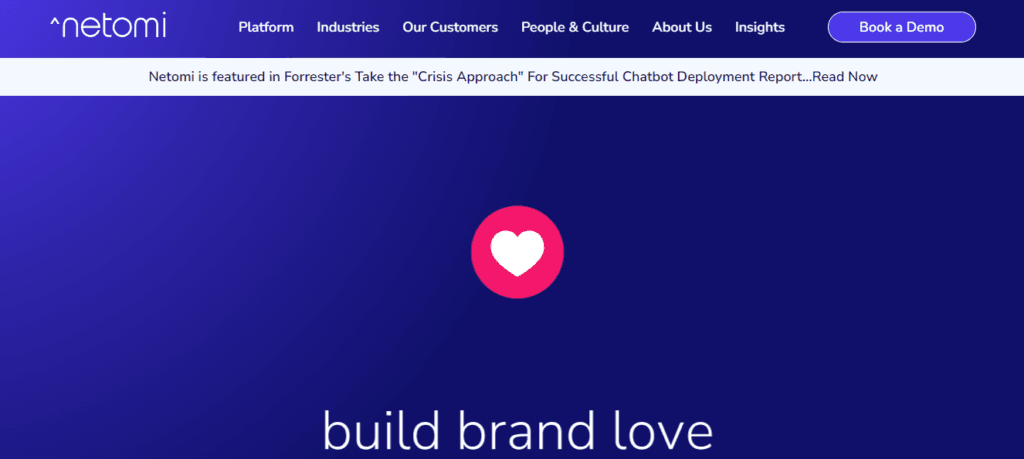
For businesses where support queries are complex or require contextual judgment, the autonomous resolution rate will be significantly lower.
AI Design and Visual Content Tools: What They Do (and Don't) Deliver
DALL-E 3
DALL-E 3 (the current iteration, significantly improved from earlier versions) produces genuinely useful visual assets for specific marketing applications:
- custom illustrations for blog posts and social content,
- concept visualization for creative briefs, and
- rapid iteration on visual ideas during the ideation phase.
It does not replace commercial photography, brand-consistent design work, or any application requiring precise visual control.
Adobe Firefly
Adobe Firefly, integrated into Adobe Creative Cloud, is the more practical option for professional design teams already in the Adobe ecosystem.
Its strength over standalone generative AI tools is its integration with production design workflows, allowing generated assets to be directly refined in Photoshop or Illustrator.
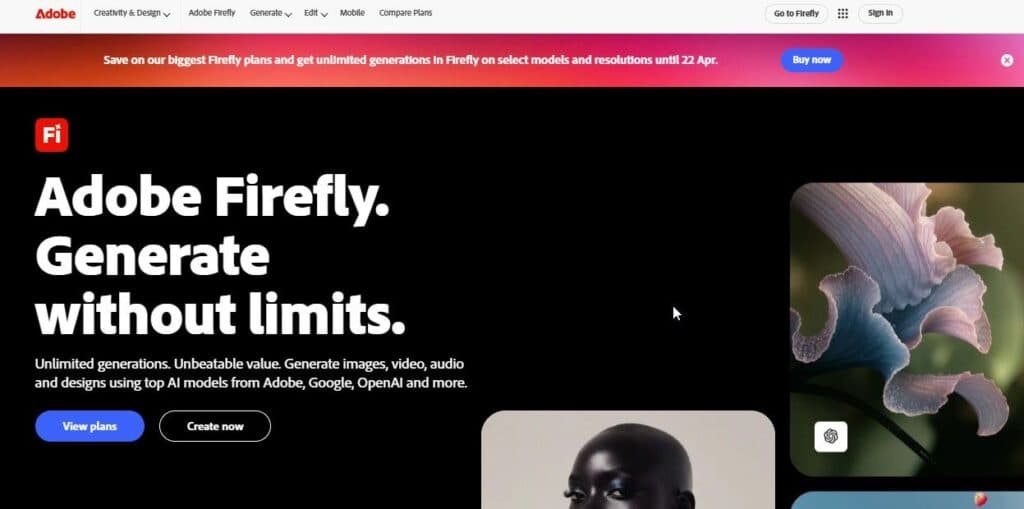
For design teams at agencies or in-house at mid-market brands, this workflow integration justifies the Adobe subscription cost increment.
Adobe Sensei
Adobe Sensei is less a standalone tool and more an AI layer applied across Adobe's product suite.
It powers features like automated image tagging in Adobe Experience Manager, intelligent content personalization in Adobe Experience Cloud, and asset management automation in creative workflows.
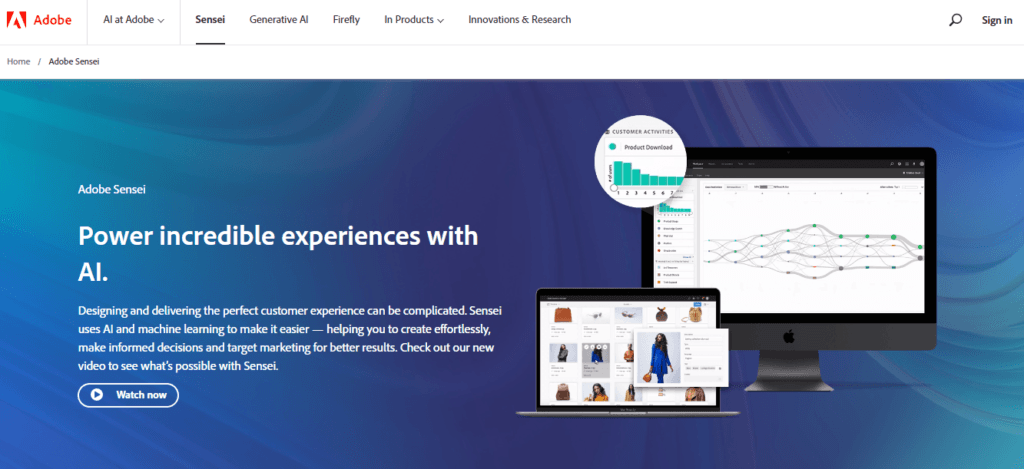
It is relevant primarily to enterprise teams running Adobe's marketing cloud infrastructure rather than standalone tool evaluators.
Content Presentation and Video AI Tools
Pictory
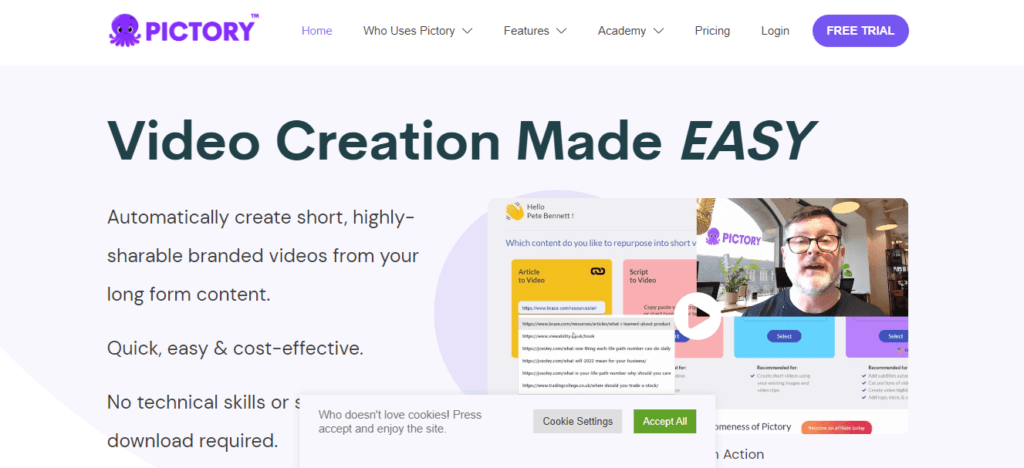
Pictory converts long-form text content or transcripts into short-form video, making it useful for teams that produce written content at scale and want to extend that content's distribution through video without dedicated video production resources.
The quality of output is appropriate for social distribution, not broadcast or premium-branded content. Its most defensible use case is turning webinar recordings or podcast transcripts into social clips.
Tome
Tome generates AI-assisted presentation decks from text prompts. The output requires significant visual and content refinement before it is presentation-ready, but it compresses the time from brief to initial draft considerably.
For internal decks and proposals where production value requirements are moderate, it is a legitimate time-saver.
10Web
10Web and similar AI website builders serve a specific segment:
- businesses that need a functional,
- professionally structured website without design resources.
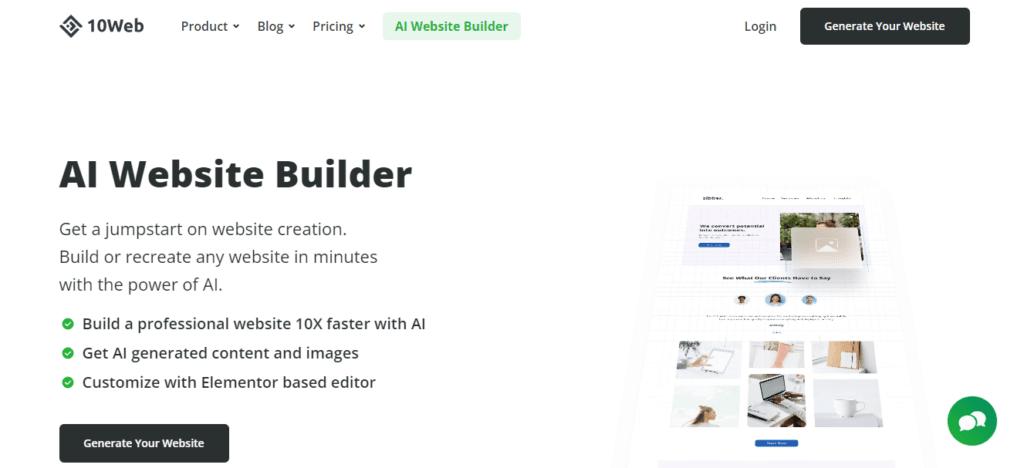
The output is appropriate for landing pages, simple service sites, and early-stage business presences. For brands where website quality is a meaningful trust signal with customers or where conversion rate optimization is an active priority, AI-generated site structures are a starting point, not a final product.
A Framework for Evaluating AI Tools Before You Buy
Before adding any tool to your marketing stack, the questions worth answering honestly:
What specific workflow problem does this solve, and how much time does that workflow currently consume? If you cannot quantify the current cost of the problem, you cannot evaluate whether the solution's price is justified.
Does the tool require skills or operational infrastructure you do not already have? Some AI tools underperform not because of product limitations but because the team lacks the prompt engineering skills, data infrastructure, or review processes to use them effectively.
What does the quality control workflow look like for AI-generated outputs before they reach customers? Any AI tool that produces customer-facing content needs a human review step. If that step does not exist or is not resourced, the tool is a liability, not an asset.
Does the vendor's pricing model align with how you will actually use the tool? Many AI marketing tools price on seats or credits in ways that become expensive at scale while appearing affordable at initial evaluation. Model your anticipated usage volume against pricing tiers before committing.
Is there a meaningful switching cost if you outgrow or replace the tool? Some AI tools, particularly those deeply integrated with your CRM or content workflow, create significant switching costs. Understanding this before adoption prevents future platform lock-in.
The tools in this guide are not equivalent in maturity, reliability, or ROI profile. Some are proven infrastructure for serious marketing teams. Others are interesting early-stage products that show promise but require patience and iteration. A few are positioned well in excess of their current capabilities.
Frequently Asked Questions
Which AI tool is best for SEO in 2026?
Semrush is the most comprehensive AI-augmented SEO platform available in 2026, offering keyword research, backlink analytics, content auditing, and competitive intelligence in a single platform. Surfer SEO is the strongest dedicated option for on-page optimization during content production. Teams that pair Semrush for strategy with Surfer for content execution consistently outperform those relying on either tool alone.
Is ChatGPT good enough for digital marketing without other tools?
ChatGPT handles ideation, copy drafts, outline generation, and meta tag creation effectively. However, it lacks real-time keyword data, accurate backlink information, and the ability to analyze live SERPs - which limits its standalone usefulness for SEO-driven marketing programs. It works best as an acceleration layer on top of a data-backed workflow, not as a replacement for purpose-built marketing analytics tools.
What AI tools work for Indian D2C brands specifically?
Indian D2C brands benefit from a combination of global and India-specific tools. For email and CRM, Zoho Marketing Automation offers strong INR pricing and regional integration. For WhatsApp-based commerce and customer engagement - a critical channel in India - platforms like Interakt, Wati, and Gallabox provide AI-backed automation. For content in vernacular languages, tools like Bhashini and regional LLM integrations are increasingly viable for Hindi and other Indian languages.
How do I measure ROI from AI marketing tools?
Track time-to-output for tasks the AI tool handles (content drafts, keyword briefs, ad copy variants) and compare against the cost per output before implementation. For revenue-connected tools - email segmentation, ad optimization, chatbot deflection - measure the metric the tool claims to improve (CTR, open rate, resolution rate) before and after deployment over a 90-day period. Tools that cannot show a measurable before-versus-after difference in a specific metric are candidates for removal from the stack.
Conclusion
The AI marketing tool landscape in 2026 is large, noisy, and unevenly useful. The brands and agencies extracting real value from it share one common approach: they identified a specific, measurable workflow bottleneck first, then selected the tool that addressed it.
Buying AI tools because they are popular, or because a competitor appears to be using them, consistently leads to unused subscriptions and disappointed expectations. The evaluation questions in this guide - problem specificity, quality control process, pricing model alignment, and switching cost - will filter out the majority of tools that look compelling in a demo but fail in production.
The combination that works for most serious marketing teams in 2026: ChatGPT or Claude for copy and ideation, Semrush or Ahrefs for SEO intelligence, a dedicated email platform with AI segmentation, and category-specific tools only where a real gap exists in your current workflow.
If you want a second opinion on which AI tools belong in your specific marketing stack - given your team size, budget, and growth objectives - book a free consultation → We'll audit your current tooling and identify where AI can generate measurable gains without unnecessary cost.

Aditya Kathotia
Founder & CEO
CEO of Nico Digital and founder of Digital Polo, Aditya Kathotia is a trailblazer in digital marketing. He's powered 500+ brands through transformative strategies, enabling clients worldwide to grow revenue exponentially. Aditya's work has been featured on Entrepreneur, Economic Times, Hubspot, Business.com, Clutch, and more. Join Aditya Kathotia's orbit on LinkedIn to gain exclusive access to his treasure trove of niche-specific marketing secrets and insights.