

A leading revenue recovery and leakage detection firm partnered with us when their Domain Rating was just 7, and organic traffic was barely at 75.
The results?
In just 5 months, a commanding 2,833% increase in organic traffic and a 270% boost in domain authority, firmly positioning them as a dominant force in their industry.
So, how exactly did we engineer this dramatic SEO turnaround?
Let's walk through the strategy that made it happen.
Read on to find out more about our Discover Dollar SEO case study!
Company Overview
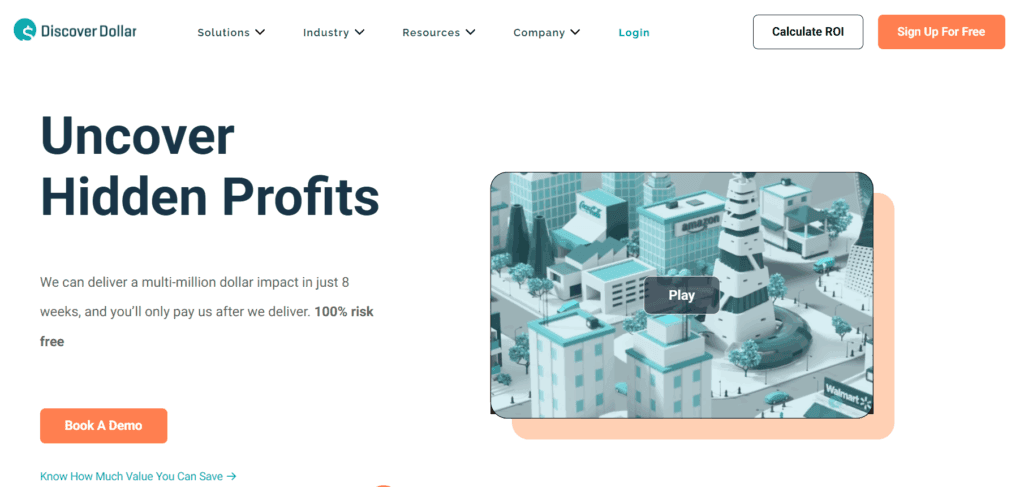
Website Link: https://www.discoverdollar.com/
Discover Dollar is a revenue recovery and leakage detection company trusted by Fortune 500 enterprises worldwide. Their solutions help businesses identify hidden overpayments, contract discrepancies, and revenue leakages that even top-tier ERP systems often miss. Their data-backed solutions have recovered billions in value, positioning them as a trusted partner for global enterprises.
Despite delivering high-impact results for global enterprises, Discover Dollar was virtually invisible online. With a Domain Rating of just 7 and organic traffic hovering around 75, their website lacked the visibility, authority, and reach to reflect their real-world credibility.
That's when Nico Digital stepped in with a full-stack SEO strategy tailored for enterprise B2B SaaS.
Challenges Faced


During our initial SEO audit, we uncovered a digital mess - confused site structure, poor rankings, and no clear content strategy.
Here's a breakdown of the key challenges that were holding Discover Dollar back.
-
Low Domain Authority
Started with a Domain Rating of just 7, limiting credibility in the eyes of search engines.
-
Minimal Organic Traffic
Averaged only 75 organic visitors per month, with negligible brand visibility in search results.
-
Poor Keyword Rankings
No presence on SERPs for high-intent, industry-relevant keywords, despite offering niche enterprise solutions.
-
Lack of title tags
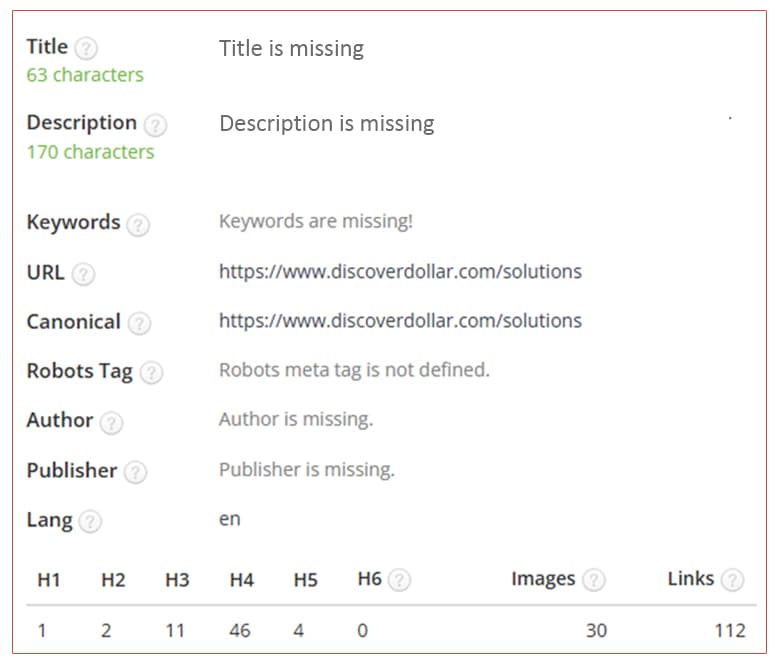
Key pages lacked optimized title tags, hurting search visibility and CTR.
-
Thin and Unoptimized Content
Website content lacked SEO optimization, authority signals, and keyword depth to rank competitively.
-
Limited Backlink Profile
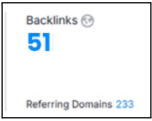
Few referring domains and no strong backlinks from authoritative sites hindered off-page SEO performance.
-
Poor Site Health and Technical Issues
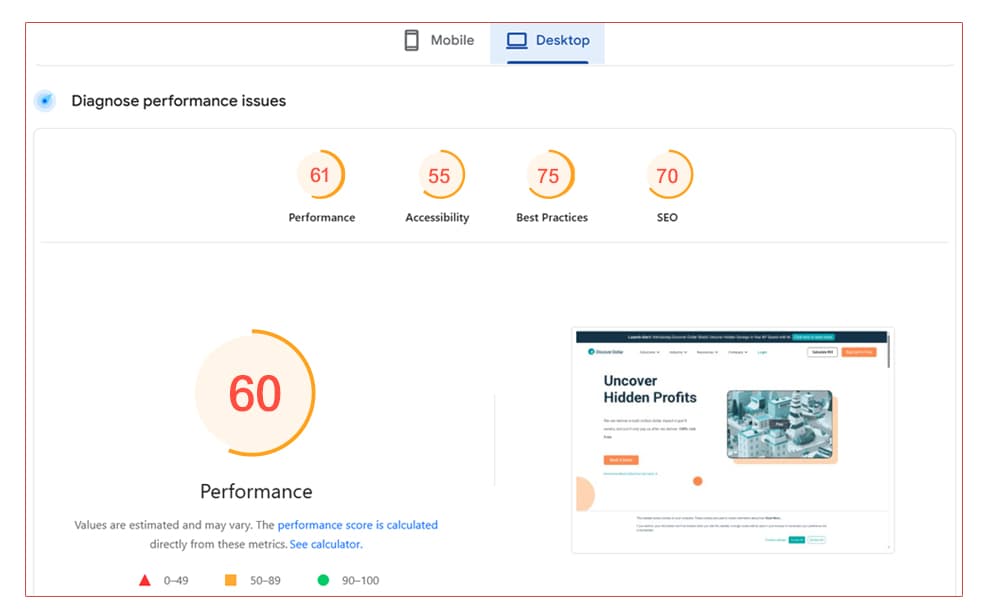
The website suffered from multiple technical SEO problems: broken links, slow load times, missing meta tags, unoptimized images, and crawlability issues - all contributing to lower search engine trust and visibility.
Is your B2B SaaS website invisible despite real-world credibility? Nico Digital specialises in enterprise SEO and AI Overview optimization. Book a free strategy call to see what's holding your site back.
Nico Digital's SEO Game Plan
It took just one thorough audit by our SEO specialists to uncover exactly where the site was falling short - and how to fix it.
Our approach was grounded in data, driven by strategy, and focused on long-term visibility. From fixing critical technical issues to building topical authority and earning high-quality backlinks, our SEO game plan was designed to align Discover Dollar's digital presence with its real-world credibility.
-
Keyword Research & Intent Mapping
We began by conducting an in-depth keyword analysis using Ahrefs and Google Search Console, identifying over 120+ high-potential keywords across different intent types - transactional, informational, and geo-targeted.
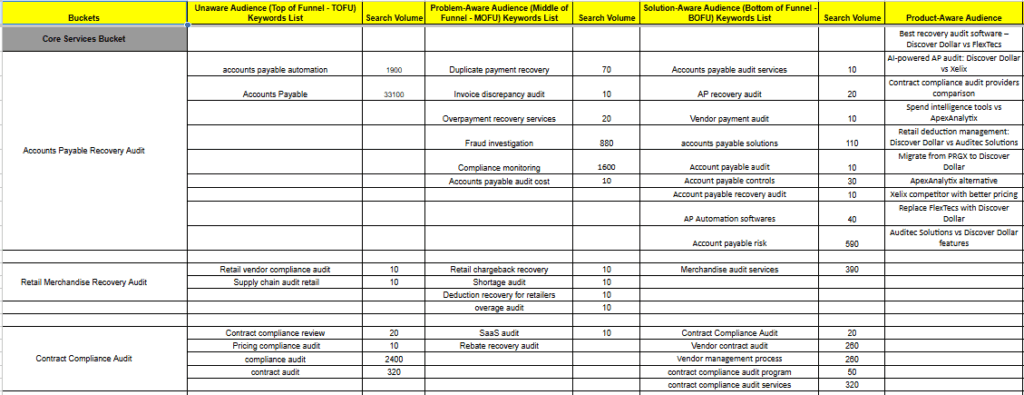
To ensure a content strategy that aligned with both search intent and business objectives, we:
- Mapped keywords to user intent, categorizing them based on how prospects search at different stages of the funnel - from awareness to conversion.
- Clustered topics into strategic content hubs, such as:
- Accounts Payable Audit
- Duplicate Payment Detection
- Recovery Audit Software
- Contract Compliance Audit
- Procurement Recovery Solutions
- Identified quick-win opportunities by prioritizing low-competition and high-intent keywords, ideal for ranking faster while capturing qualified traffic.
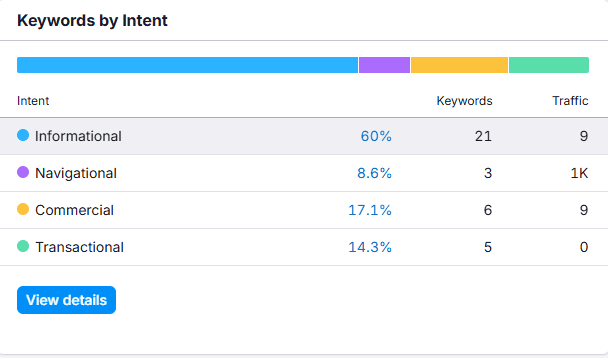
This intent-driven keyword roadmap laid the foundation for all content and on-page optimization efforts, ensuring every page served a clear purpose in the buyer journey and contributed to long-term organic growth.
2. Content Strategy: Funnel-Aligned Blogging
To attract and convert the right audience, we developed a funnel-aligned content strategy that targeted users at every stage of their decision-making journey - from awareness to conversion. Each blog was crafted with specific intent, keyword focus, and CTA alignment to guide visitors seamlessly down the funnel.
-
Awareness Stage
At the awareness stage, we focused on educational content that addressed foundational questions.
A prime example is the blog "What is an Accounts Payable Recovery Audit? A Complete Guide for Businesses".

This piece targeted users unfamiliar with recovery audits but actively seeking ways to reduce financial inefficiencies. It introduced the problem, explained the process, and aroused awareness around solutions without pushing a hard sell - ideal for drawing top-of-funnel traffic and building trust.
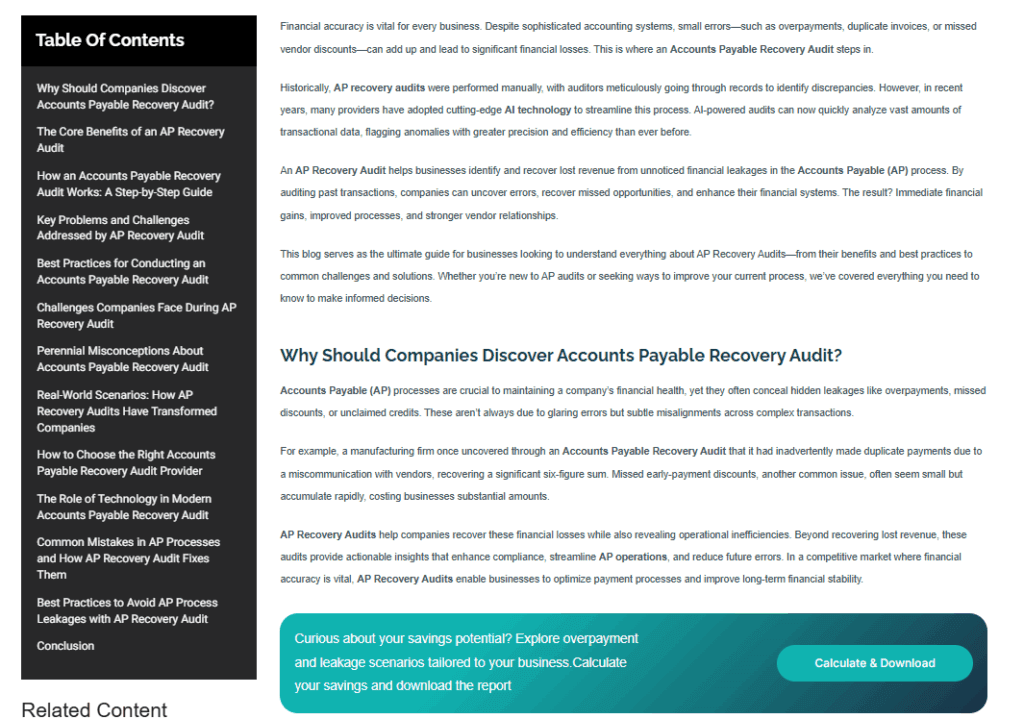
To make the content more structured, digestible, and SEO-friendly, we implemented a dynamic Table of Contents (TOC) for long-form blogs. This not only improved readability and navigation for users but also enhanced crawlability for search engines, helping key sections rank independently on Google.

To further increase engagement and drive conversions, we integrated strategic infographics and contextual call-to-action (CTA) blocks throughout the blog.
This interactive CTA invited users to calculate potential savings and download a report - serving dual goals of lead generation and on-page conversion while maintaining a seamless user experience.
The result? Longer dwell times, lower bounce rates, and a blog experience that not only informed but also converted.

To boost content engagement and add value for readers, we also introduced "Pro Tip" callout sections - visually distinct, insight-packed highlights placed at key points within each blog.
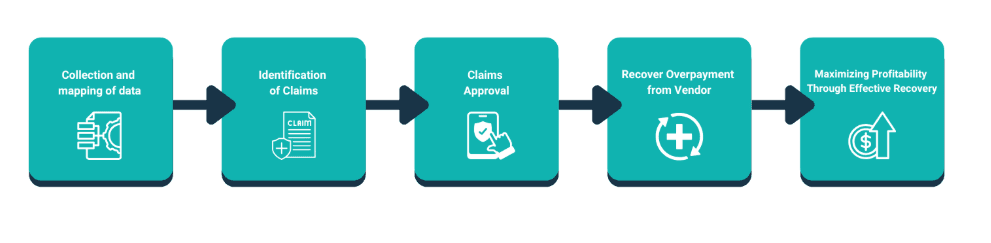
To better explain the value Discover Dollar brings to enterprise clients, we embedded custom visuals like this one, which illustrates the end-to-end AP Recovery Audit lifecycle. This step-by-step visual helped demystify a complex workflow and boosted reader comprehension, especially for procurement and finance professionals who aren't familiar with AP audit intricacies.
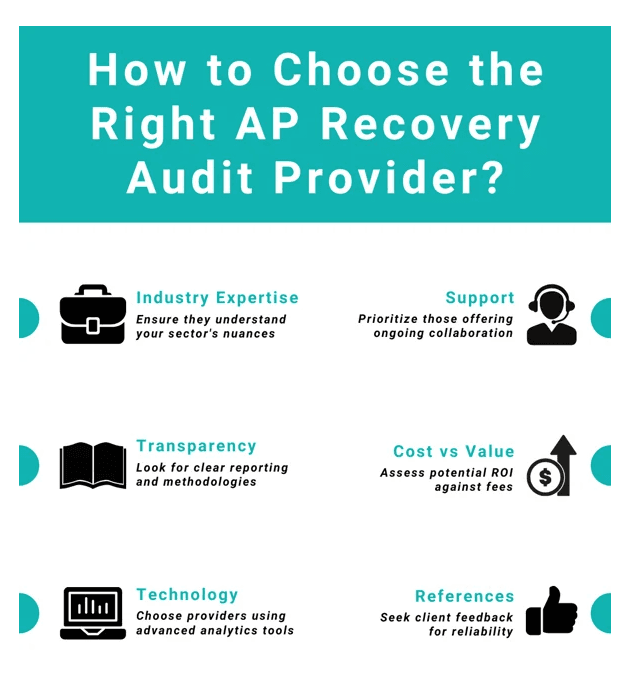
With multiple players in the recovery audit space, it's easy for procurement teams to feel overwhelmed. To simplify the selection process, we created a concise visual checklist to guide decision-makers.
This visual not only built trust and credibility but also positioned Discover Dollar as a thought leader helping clients make smarter vendor choices.
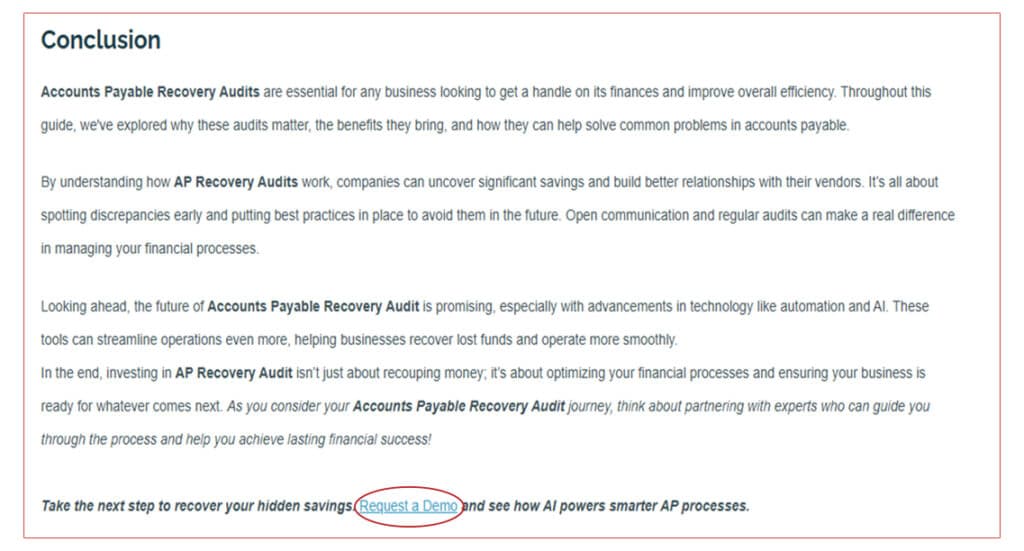
We strategically placed the "Request a Demo" link at the end of the conclusion to drive conversions at the point of highest intent.
After educating the reader on the value of Accounts Payable Recovery Audits and illustrating how AI and automation can unlock hidden savings, readers are most likely to be convinced and curious about the next step.
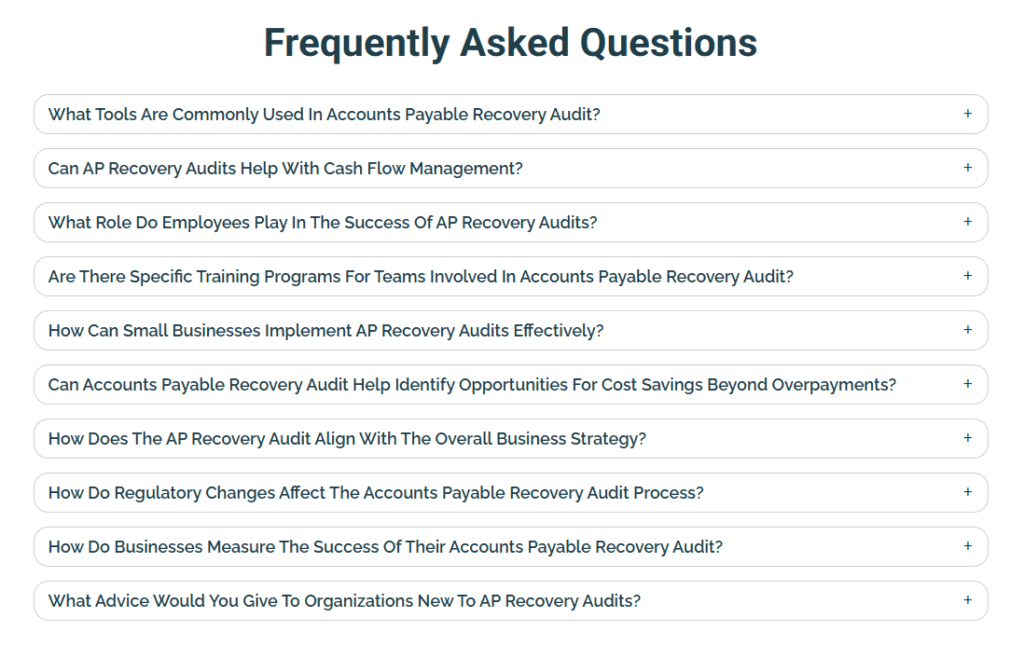
We understand the importance of showing up in Google's AI Overviews in 2025. Thus, we added a dedicated FAQ section to each blog to improve visibility in AI-powered search results like Google SGE, Bing Copilot, and ChatGPT browsing.
As more users turn to conversational and AI-driven search, these engines often pull direct answers from well-structured FAQ sections.
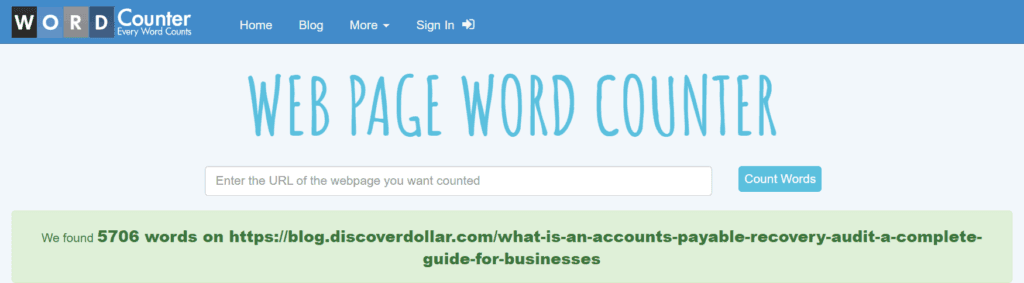
We also kept the content around 5,700+ words long to demonstrate topical authority, improve dwell time, and increase the chances of ranking for a wider set of long-tail keywords.
-
Consideration Stage
For the consideration stage, we created comparative content that helped readers evaluate solutions. The blog "Why Discover Dollar is the Best Accounts Payable Recovery Audit Solution?" positioned the brand as a category leader by highlighting differentiators, trust signals, and use-case relevance.

This type of content spoke directly to decision-makers, compared vendors, and helped nudge them further down the funnel.

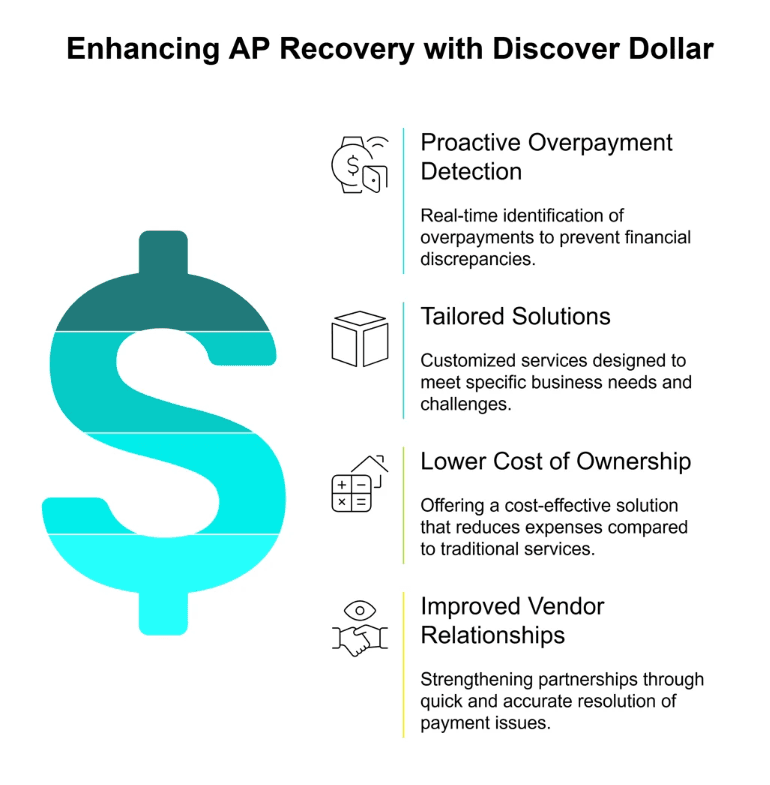
To maintain consistency and enhance user experience, we followed the same proven content structure used in earlier stages - incorporating engaging infographics to simplify complex points, clear CTAs to drive action, and a dedicated FAQ section to boost visibility in AI-driven search results.
-
Decision Stage
At the decision stage, we brought out hard proof through in-depth case studies and success stories. One powerful example is "$100M+ P&L Impact Delivered for a US Retail Giant".

This content demonstrated real-world ROI, credibility, and execution capability - key elements for influencing high-stakes procurement decisions in the B2B space.
This funnel-specific blogging approach not only improved keyword rankings and organic visibility but also aligned content with sales outcomes, turning blogs into strategic assets for lead nurturing and conversion.
We also offered the case study as a gated asset, encouraging users to access it by submitting their contact details.

Upon clicking, users were shown a pop-up form where they entered their personal and contact details.
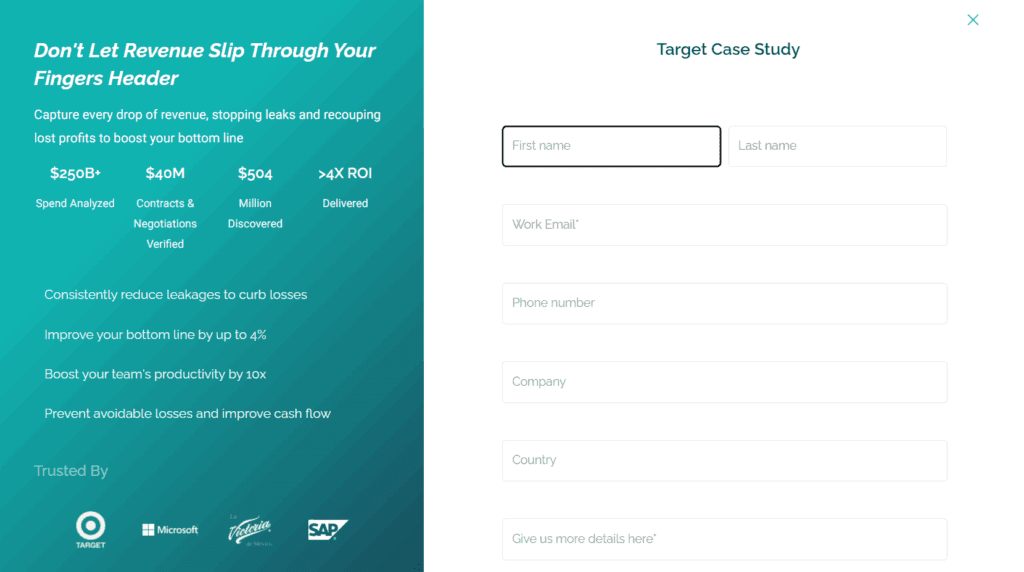
This approach helped us generate qualified leads while offering genuine value in return. By combining valuable insights with a lead capture strategy, we ensured that users progressed deeper into the funnel, enabling future nurture campaigns.
3. On-Page SEO Optimization
To improve organic visibility and crawlability, we implemented the following SEO enhancements:
-
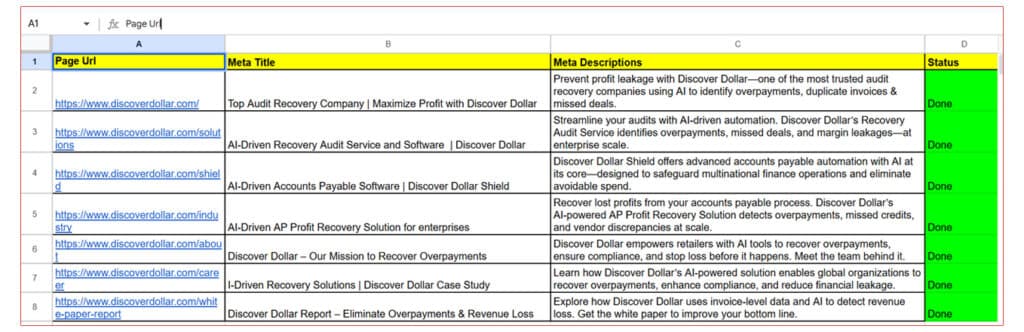
Title tags - Rewritten to include primary keywords and kept within the 55-60 character limit for maximum SERP effectiveness.
-
Meta descriptions - Updated across key pages to be compelling, keyword-rich, and under the character limit.

-
Header hierarchy (H1, H2, etc.) - Implemented properly across all major landing pages to improve readability and keyword relevance.
-
Alt attributes - Image alt tags were added or optimized for over 150 images, improving accessibility and image search performance.
-
Canonical tags - Implemented to address duplicate content issues and guide search engines to the preferred version of each page.
-
Broken links - Identified and fixed across the website to ensure a smooth user experience and eliminate crawl errors.
4. Backlinks Analysis
An experienced SEO agency knows that backlinks are the backbone of any successful organic strategy.
Before building new links, we dug deep into Discover Dollar's existing backlink profile to uncover gaps, low-quality links, and missed opportunities.
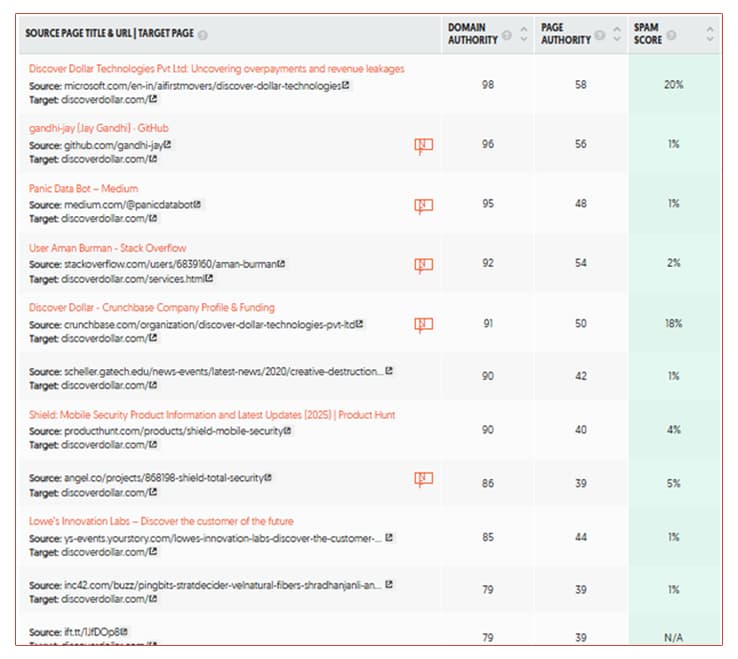
This audit helped us understand where the brand stood in terms of domain authority, competitor benchmarks, and topical relevance, laying the groundwork for a smarter, cleaner, and more effective link-building roadmap.
We conducted a thorough referring domain breakdown to ensure Discover Dollar's backlink profile was both authoritative and contextually relevant.
Our strategy focused on a diverse mix of domain types:
-
High-authority niche sites (DR 50-70) - Trusted platforms that featured press coverage and referenced Discover Dollar's case studies, boosting brand credibility and E-E-A-T.
-
Industry-specific blogs (DR 30-50)


Blog Link: Medium
We targeted blogs focused on procurement software and accounts payable audit services, ensuring topical alignment and contextual relevance. We also strategically hyperlinked a keyword to redirect back to one of their service pages.
-
SaaS review platforms & business directories
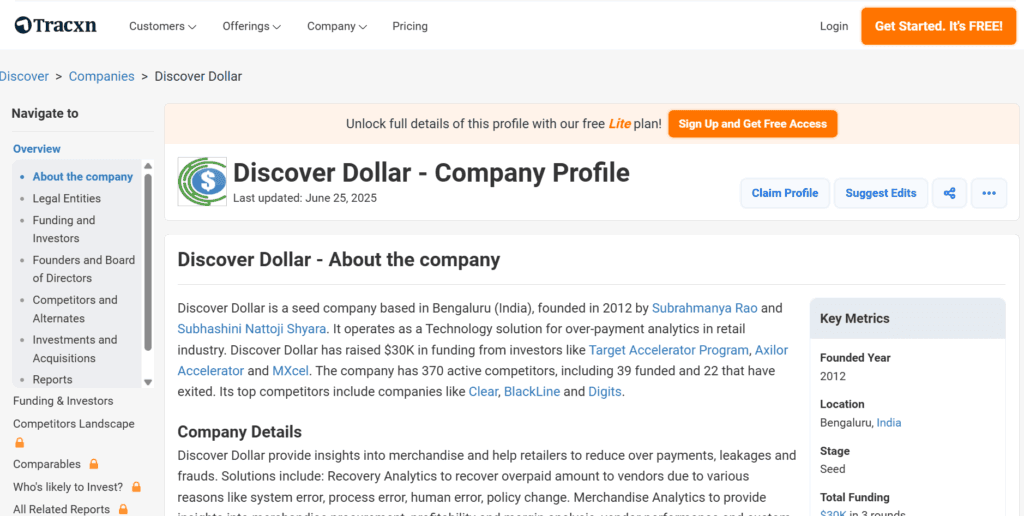
Company Profile Listing Link: Tracxn
Business Listing Link: Dibiz
These moderately authoritative domains helped establish brand presence in key digital spaces where B2B buyers evaluate software solutions.
-
General business and startup blogs (DR 20-30)
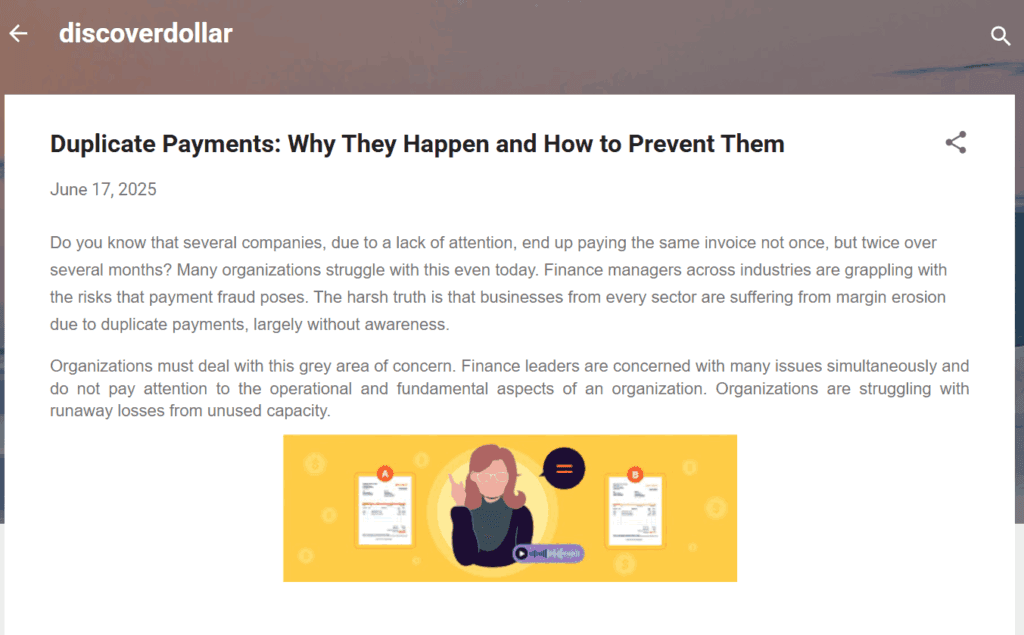
Blog Submission Link: Blogspot
While lower in authority, these added diversity and opened avenues for niche referral traffic - important for brand discovery among smaller or emerging businesses.
-
PPT Submissions
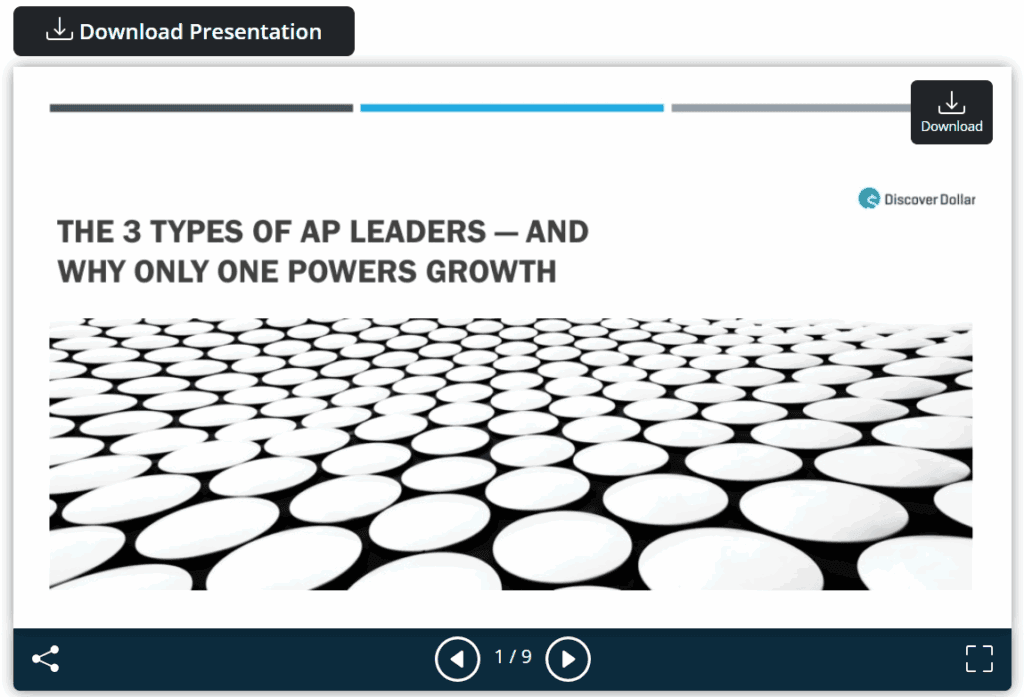
PPT Submission Link: Slideserve
We created visually engaging presentations that explained Discover Dollar's core services, industry challenges (like duplicate payments and recovery audits), and real client success stories - then submitted them to high-traffic presentation-sharing platforms.
-
Image Submissions
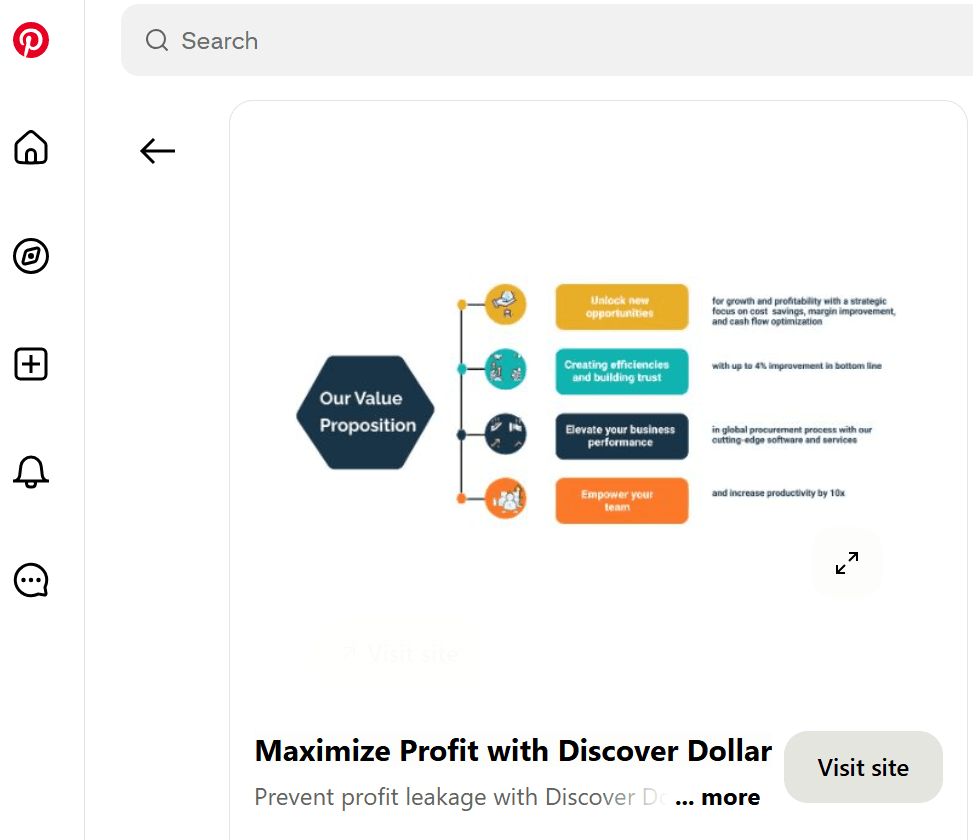
Image Submission Link: Pinterest
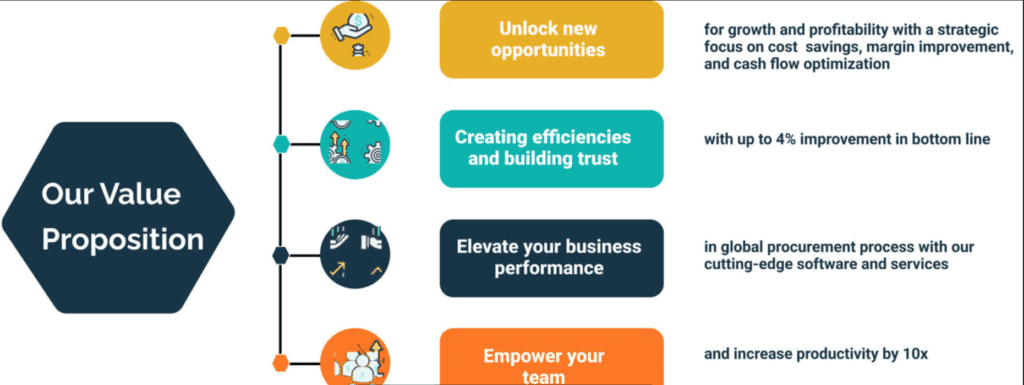
Image Submission Link: Mediafire
We incorporated image submissions into our off-page SEO strategy to enhance brand visibility and acquire backlinks from image-sharing platforms. These included uploading custom-designed visuals, such as infographics, feature diagrams, solution overviews, and testimonial snapshots.

We ensured a diverse and natural backlink profile by securing different backlink types and attributes that aligned with white-hat SEO practices and Discover Dollar's authority-building goals.

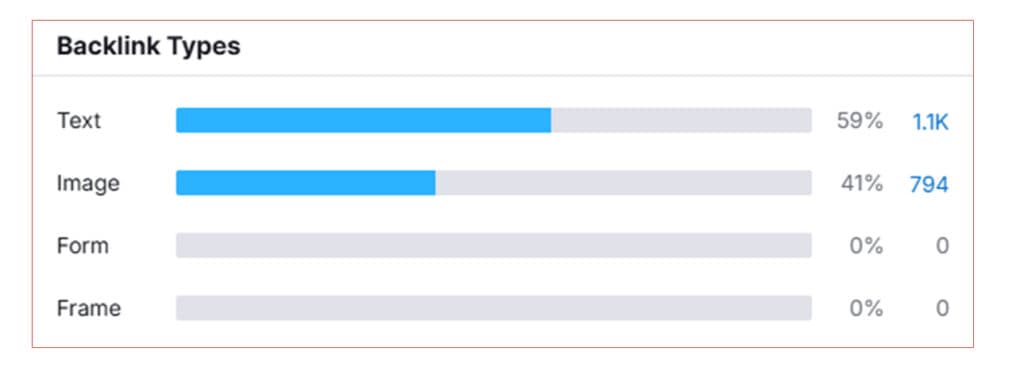
We prioritized contextual editorial dofollow links (~70-75% of total backlinks), embedded within niche-relevant articles covering SaaS, procurement, or finance-related content.
Next, we included guest post byline links (~15-20%), found in author bios or at the end of contributed blogs. These helped with backlink variety and supported brand visibility across credible platforms.
We also secured business listings (~10%), largely nofollow or mixed. While they didn't pass much link equity, they reinforced local and brand citations - useful for trust signals and NAP consistency.
Finally, we used press release syndications, resulting in a mix of dofollow and nofollow links - valuable for media visibility and referring traffic from high-DA news portals.
Together, this well-balanced approach maximized link value, ensured authenticity in Google's eyes, and supported both rankings and brand recall.
The Results That Spoke Volumes
Over a span of 5 months, we saw a remarkable transformation in Discover Dollar's organic performance.
| Metric | Before | After (5 Months) |
|---|---|---|
| Monthly Organic Traffic | 75 visitors | 2,200+ visitors |
| Domain Rating (DR) | 7 | 26 |
| Backlinks | Minimal | 2,600+ |
| #1 Google Rankings | 0 | 3 high-intent keywords |
| AI Overview appearances | 0 | Multiple featured |

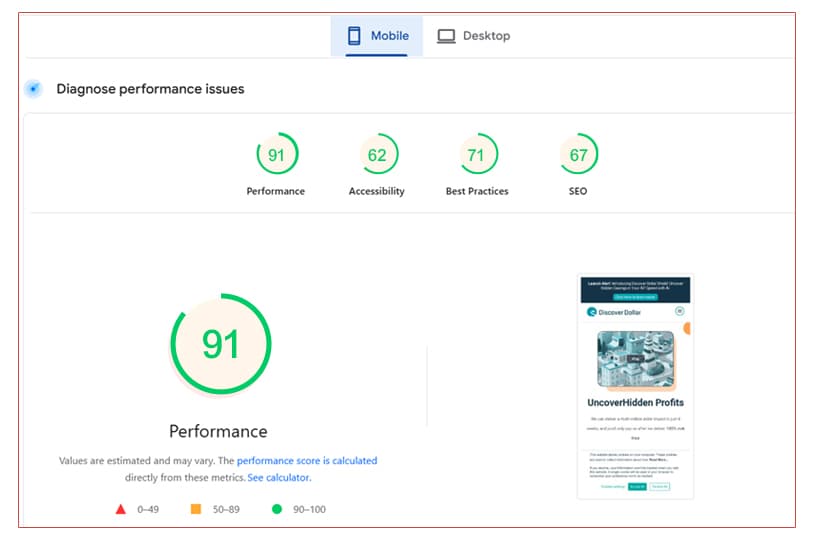
Their site health score saw a significant boost across both mobile and desktop platforms - thanks to our comprehensive on-page optimizations: fixing broken links, implementing proper H1/H2 structures, optimizing images with alt attributes, and ensuring mobile responsiveness. This not only enhanced user experience but also aligned the website with Google's Core Web Vitals.
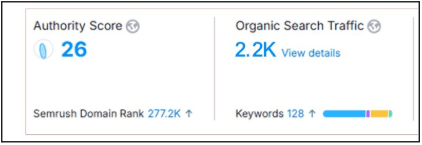
Their Domain Authority jumped to 26, while organic traffic surged to 2,200+ monthly visitors. This leap in authority not only reflected the trust Discover Dollar gained in the eyes of search engines but also opened the door to ranking for more competitive, high-intent keywords. The 2,200+ traffic figure represented procurement leaders, finance heads, and enterprise decision-makers actively exploring their solution.


Total clicks and impressions saw a steady rise, reflecting stronger visibility in search results. The average click-through rate (CTR) also improved, indicating that our revised meta titles and descriptions were more compelling and relevant to user intent.
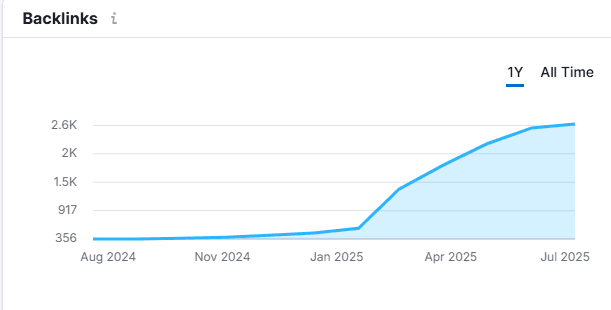
Their backlink profile skyrocketed to over 2,600 links, creating a powerful web of trust and authority.
And the keyword rankings - the real proof of the strategy:
Keyword: ap recovery audit - Position: 1st on Google

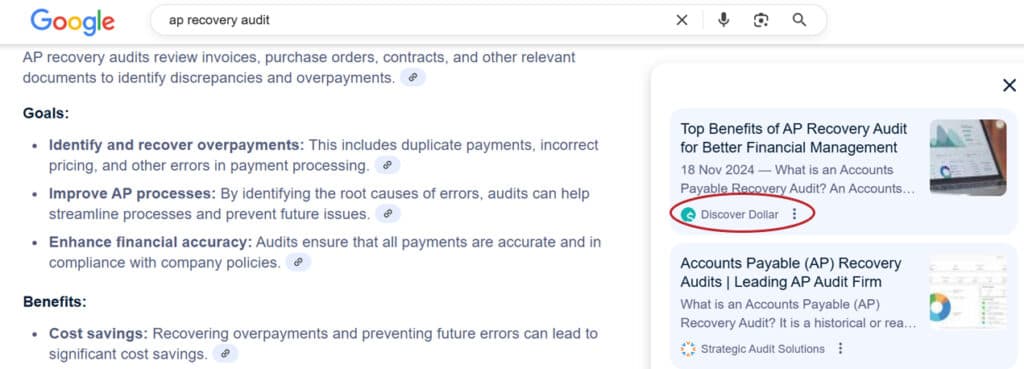
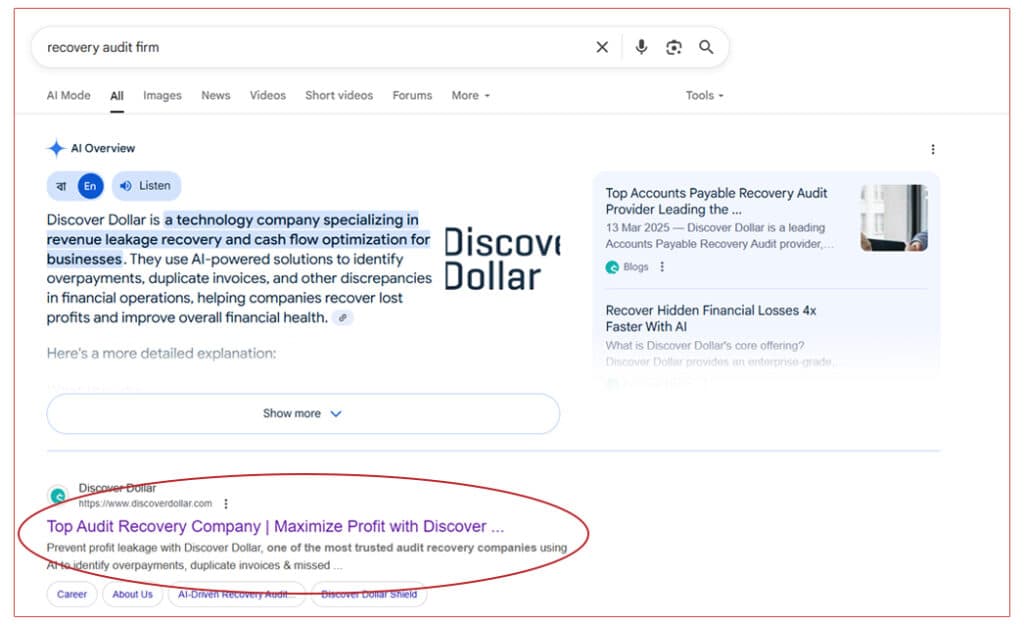
The FAQ sections we added to each blog paid off - Discover Dollar was now showing up in AI Overviews: the most coveted position in Google's 2025 search landscape.
Keyword: recovery audit firm - Position: 1st on Google
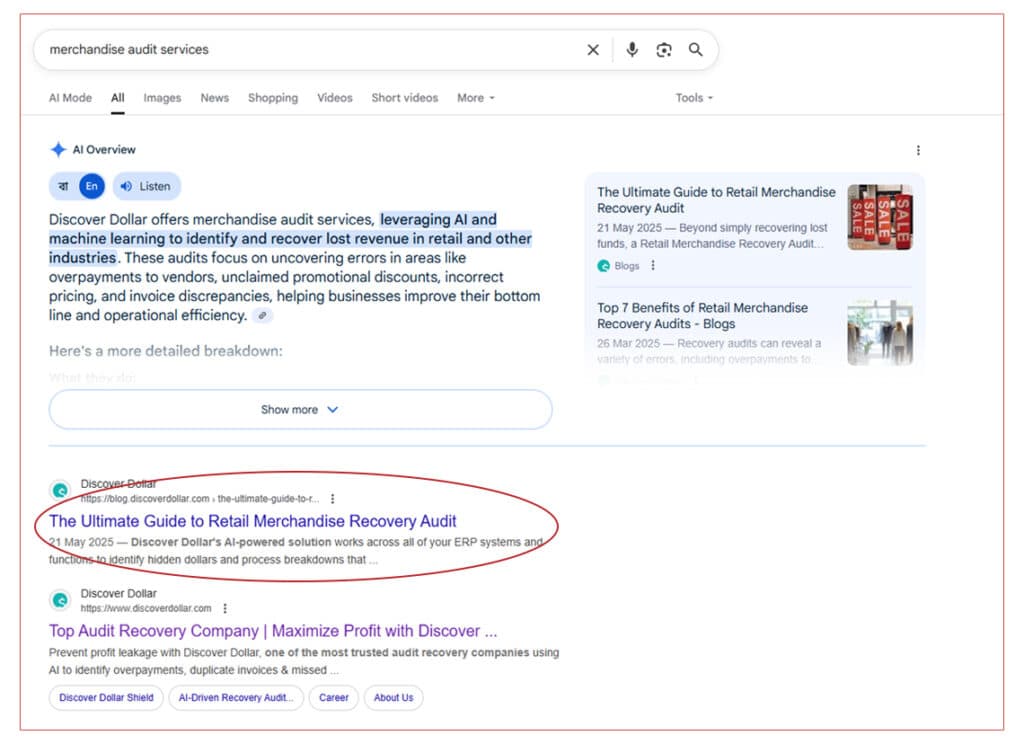
Keyword: merchandise audit services - Position: 1st on Google
Keyword: accounts payable audit services - Position: 3rd on Google

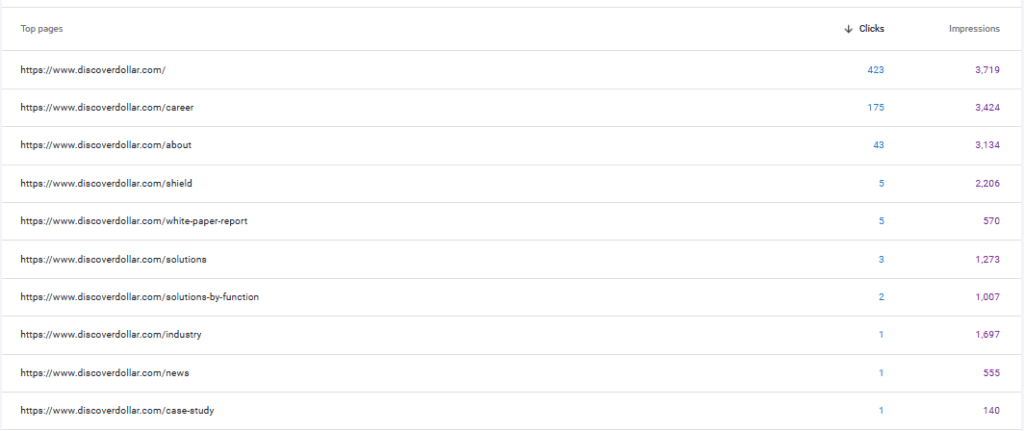
Their top pages saw a notable rise in both clicks and impressions, indicating improved visibility and engagement.
Key Takeaways
- AEO (Answer Engine Optimization) is table stakes in 2025: Adding structured FAQ sections to every blog was the single action that unlocked AI Overview placements - turning a content strategy into a visibility strategy for the AI search era.
- Domain authority is built through diversity: A mix of high-authority editorial links, guest posts, directories, and image submissions created a natural, sustainable backlink profile that Google trusts.
- B2B funnel content must map to buyer roles: For Discover Dollar, the audience was finance heads and procurement directors. Every piece of content - from awareness blogs to decision-stage case studies - was written for those specific decision-making contexts.
- Gated assets convert informed readers: Offering the enterprise case study as downloadable content behind a lead form turned high-intent blog readers into qualified pipeline.
- 2,833% traffic growth is possible in 5 months: With a clean technical foundation, a rigorous keyword strategy, and consistent content execution, even a DR 7 website can become a category leader within one quarter.
Frequently Asked Questions
How did Discover Dollar achieve a 2,833% traffic increase in 5 months?
Nico Digital implemented a full-funnel content strategy, fixed all technical SEO issues, built a diversified backlink profile of 2,600+ links, optimised meta tags across all pages, and added FAQ sections to rank in Google's AI Overviews - all within a 5-month campaign.
What is Answer Engine Optimization (AEO) and how did it help Discover Dollar?
AEO is the practice of structuring content to appear in Google's AI Overviews, Bing Copilot, and other AI-generated search responses. By adding structured FAQ sections to each blog, Nico Digital helped Discover Dollar rank in AI Overviews for high-intent queries like "ap recovery audit" and "recovery audit firm."
What starting metrics did Discover Dollar have before working with Nico Digital?
Discover Dollar started with a Domain Rating of 7, only 75 monthly organic visitors, no first-page keyword rankings, missing title tags, thin on-page content, and a weak backlink profile.
What results did Discover Dollar achieve from Nico Digital's SEO strategy?
In 5 months: organic traffic grew from 75 to 2,200+ monthly visitors (2,833% increase), Domain Authority jumped from 7 to 26 (270% increase), backlinks grew to 2,600+, and Discover Dollar achieved #1 Google rankings for "ap recovery audit," "recovery audit firm," and "merchandise audit services."
How important is FAQ schema for ranking in Google AI Overviews?
Extremely important. Structured FAQ sections signal to Google's AI systems that your content directly answers specific user questions. For Discover Dollar, this was the decisive factor in landing AI Overview placements for competitive B2B queries.
What does a B2B SaaS SEO content strategy look like?
Nico Digital structured Discover Dollar's content across three funnel stages: awareness blogs answering foundational questions, consideration content comparing vendors, and decision-stage case studies demonstrating ROI - each with keyword alignment, FAQ sections, and strategic CTAs.
Want to rank in Google's AI Overviews for your industry's high-intent keywords? Nico Digital delivers enterprise SEO and AEO strategies that drive measurable organic growth. Start your SEO strategy call today.

Aditya Kathotia
Founder & CEO
CEO of Nico Digital and founder of Digital Polo, Aditya Kathotia is a trailblazer in digital marketing. He's powered 500+ brands through transformative strategies, enabling clients worldwide to grow revenue exponentially. Aditya's work has been featured on Entrepreneur, Economic Times, Hubspot, Business.com, Clutch, and more. Join Aditya Kathotia's orbit on LinkedIn to gain exclusive access to his treasure trove of niche-specific marketing secrets and insights.