

Most brands treat the festive season like a sprint. Burn budget, run promotions, hope for the best. By January, they are analyzing why CAC spiked, and LTV flatlined.
The brands that consistently win during Diwali, Christmas, and Black Friday treat the season differently. They plan months out. They segment ruthlessly. They treat every campaign touchpoint as a revenue model, not a brand moment.
If you are reading this with a holiday calendar in one hand and a shrinking margin in the other, this is written for you.

Why Most Festive Campaigns Underperform
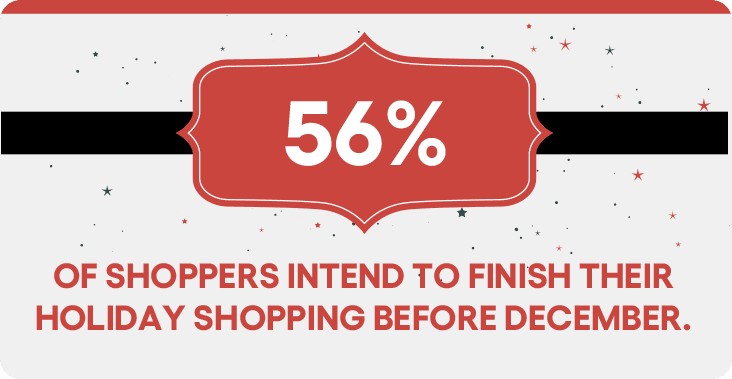
The festive window is real. Consumer intent spikes. Wallets open. Impulse thresholds drop.
Source: Localiq
But so does your signal-to-noise ratio. Every competitor is running ads. Inboxes are flooded. Social feeds are saturated with discount banners and countdown timers.
Standing out is not about spending more. It is about executing smarter, earlier, and with greater precision.
Here are 12 strategies that hold up under commercial pressure.
1. Audit Your Audience Before You Build a Single Campaign
This sounds obvious. Most brands skip it anyway.
Festive marketing without audience clarity is expensive guesswork. Before you write a word of copy or set a campaign budget, answer these questions:
- Which holidays actually drive purchase behavior for your specific customer?
- Which customer segments historically convert during the festive window?
- What did last year's campaign data tell you about timing, channel, and offer type?
Do not rely on industry benchmarks alone. Pull your own cohort data. Identify which segments responded to price-led offers versus experience-led messaging. Check average order value by segment and campaign type.
Run a quick survey or poll through email or social. Ask customers directly what they plan to purchase this season, what channels they prefer, and what kind of offers they find compelling. That data is free and often more accurate than any third-party report.
Common mistake: Treating all festive shoppers as one audience. A Diwali shopper and a Christmas buyer may share a ZIP code but have entirely different motivations.
Strategic tip: Build two or three micro-audience profiles from your own CRM data before briefing your creative team. Your campaigns will be sharper for it.
2. Create Festive Content That Earns Attention, Not Just Impressions
Festive content does not mean slapping a string of lights on your product page.
The brands that get this right build content that connects emotionally while still driving commercial intent. They understand that a customer who feels something is more likely to buy something.
There are a few formats worth investing in:
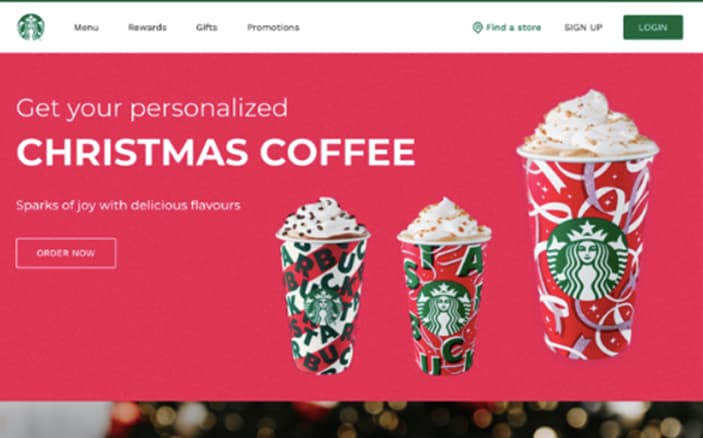
Short-form video: Showcase products in a seasonal context. Keep it authentic over polished. User-generated content often outperforms studio production during festive windows.
Blog content with intent: Write pieces that help your customer make decisions. Gift guides, comparison articles, buying checklists. These earn organic traffic and reduce friction in the consideration phase. For online retailers, pairing this with dedicated ecommerce SEO services ensures seasonal content ranks at the right moment.
Infographics and shareable assets: Seasonally relevant data, trends, or tips in a visual format. Easy to repurpose across channels and highly shareable on social.
Contests and UGC campaigns: Invite customers to participate in the brand story. A well-structured photo contest or hashtag campaign generates content, builds community, and extends reach without additional ad spend.
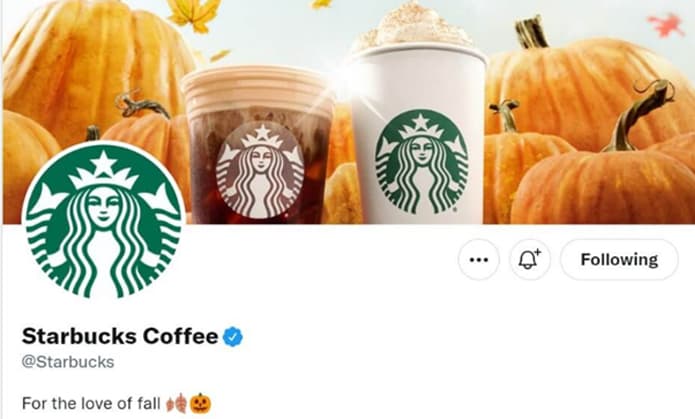
One operational note: Festive content needs to be created well before the season starts. If you are building assets in October for a Diwali campaign, you are already behind.
3. Structure Your Festive Offers Around Business Outcomes
Everyone runs discounts during the festive season. The question is whether those discounts are working for you or against you.
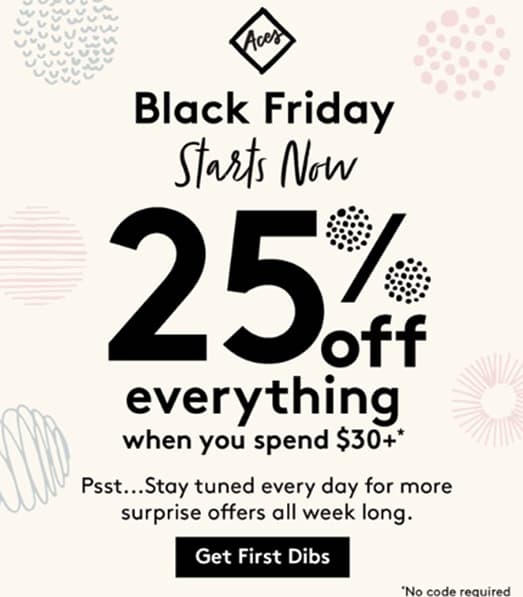
Margin erosion is a real risk. Blanket discounts train customers to wait for sales. They devalue your brand positioning over time.
Think about offer architecture instead:
- Tiered rewards: Spend more, unlock more. This pulls up the average order value.
- Bundling: Combine products to increase basket size while preserving unit margins.
- Early access: Reward loyalty with exclusive pre-sale windows. This drives urgency without discounting publicly.
- Limited edition packaging or variants: Creates perceived value without reducing price.
Branded gifts and giveaways work well here too. A well-chosen gift-with-purchase drives brand recall, increases loyalty, and gives customers something to talk about.
Common mistake: Offering the same discount to all customers. Loyal, high-LTV customers deserve a different offer structure than first-time browsers.
4. Treat Mobile as the Primary Purchase Channel
If your mobile experience is an afterthought, you are losing revenue to competitors who got there first.
Source: Martech
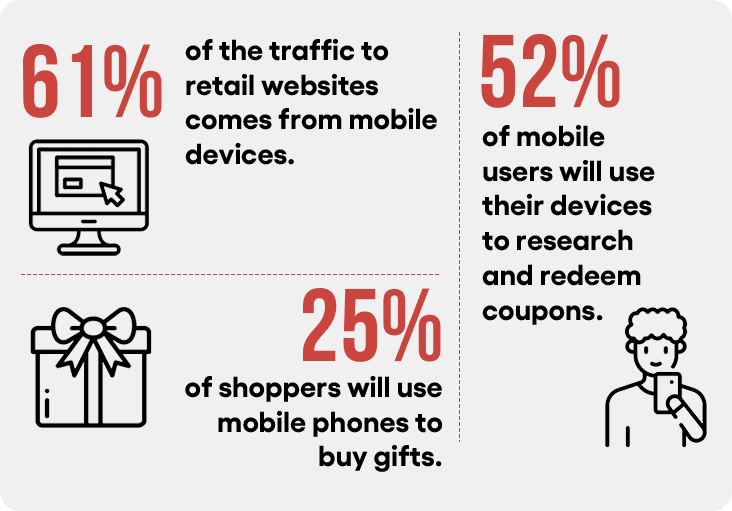
Mobile now accounts for the majority of festive season browsing and a rapidly growing share of completed purchases. Speed, intuitive navigation, and a frictionless checkout are table stakes.
If you have an app, the festive window is the right time to invest in it:
- Update the visual design with seasonal elements
- Surface exclusive in-app deals or early access offers
- Send push notifications with personalized recommendations
If you do not have an app, your mobile web experience needs to be treated with the same priority. Load time, checkout flow, and product page clarity all directly affect conversion rate.
5. Build an Email Sequence, Not Just a Campaign
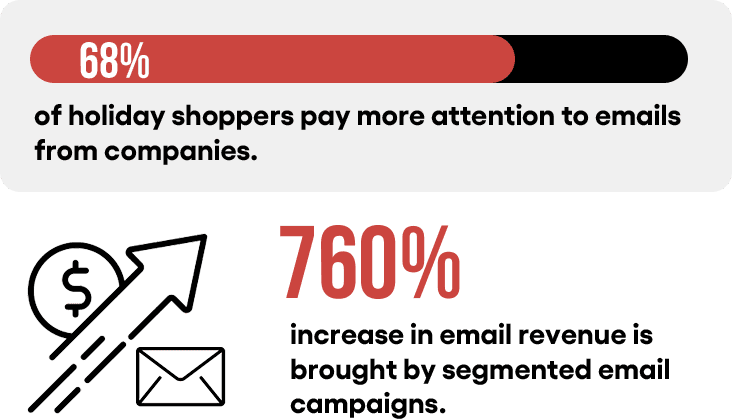
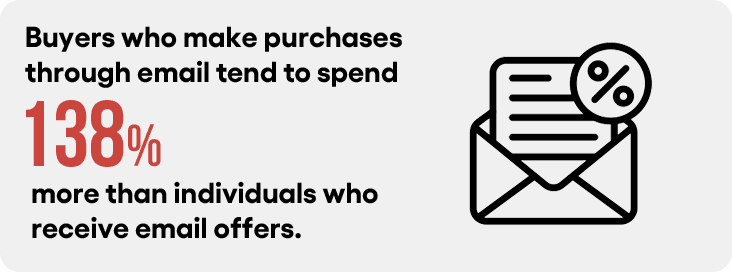
Email remains one of the highest-ROI channels during the festive season. Not because people suddenly love email, but because they are actively looking for deals and gift ideas.
Source: Campaign Monitor
The mistake most brands make is treating email as a broadcast channel. They send one or two promotional blasts and wonder why open rates are dropping.
A structured festive email sequence does more work:
Phase 1: Early season (October) Warm the list. Share a preview of what is coming. Build anticipation rather than urgency.
Phase 2: Mid-season (key shopping dates) Send targeted, segment-specific promotions. Match the offer to the audience. A loyal customer gets a different email than someone who abandoned a cart six months ago.
Phase 3: Last-chance window Create genuine urgency with real deadlines. This includes delivery cutoffs, limited stock signals, and final discount days.
Timing matters too. Weekend mornings perform well for festive purchase decisions. Mid-week days like Tuesday and Wednesday often see higher open rates for informational or promotional content.
Personalization is not optional. First-name tags are a baseline. Behavioral segmentation, product recommendations based on past purchases, and lifecycle-aware messaging are what actually drive results.
Source: Disruptive Advertising
6. Use Influencer Partnerships With Commercial Intent
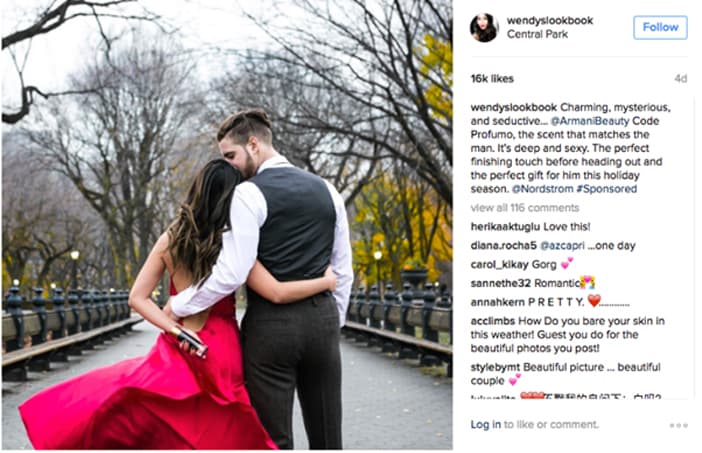
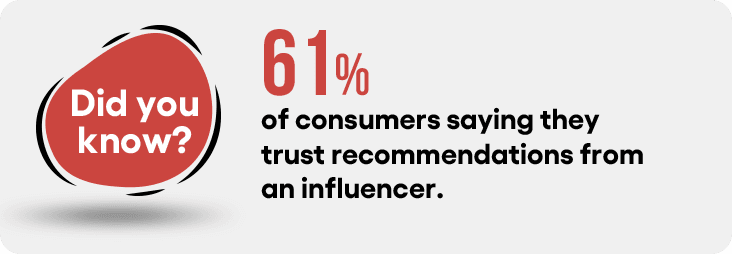
Influencer marketing during the festive season works when it is planned strategically. It underperforms when it is reactive and poorly scoped.
What separates a valuable influencer partnership from an expensive branded post?
- Audience alignment: The influencer's followers match your target buyer profile.
- Content authenticity: The integration fits naturally into how that creator communicates.
- Commercial structure: Clear deliverables, trackable links, and performance benchmarks built into the agreement from day one.
Start influencer outreach 6 to 8 weeks before your peak window. The best creators book up quickly.
Source: Businesswire
7. Run Social Campaigns That Build Community, Not Just Clicks
Festive social campaigns have two jobs: drive near-term sales and build longer-term brand equity. Most brands only optimize for the first.

The tactical levers are well known:
- Seasonal updates to profile graphics, banners, and pinned content
- Targeted paid social for promotions and product launches
- Stories and short-form video for product showcases and behind-the-scenes content
- Hashtag campaigns to aggregate UGC and extend reach
The less discussed opportunity is community building. Polls, Q&A sessions, and interactive content during the festive season create engagement that compounds. A customer who interacts with your brand multiple times before purchasing has a higher conversion rate and often a higher LTV.
Social platforms now represent the second-largest channel for digital ad spend globally. That means competition is intense and creative quality is the differentiator, not budget. Partnering with a Meta Ads agency India brands rely on can give you an edge in the festive paid social auction.
Strategic tip: Do not try to be active on every platform. Pick two or three where your audience actually spends time. Go deep rather than wide.
8. Localize Your Campaigns for Indian Festivals - Including Navratri, Raksha Bandhan, and Eid
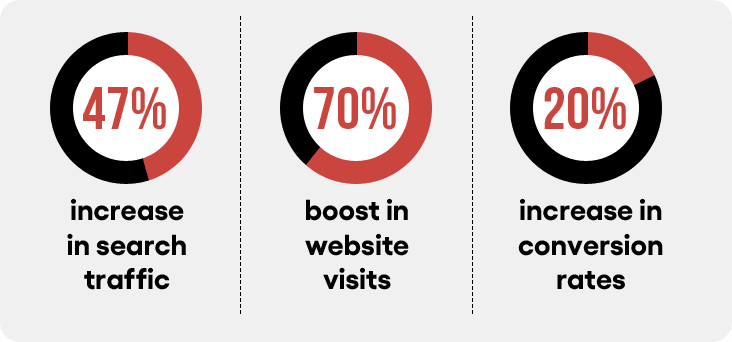
A single global campaign rarely performs as well as localized versions. This is especially true during festive periods where cultural context drives emotional resonance.
Source: Weglot
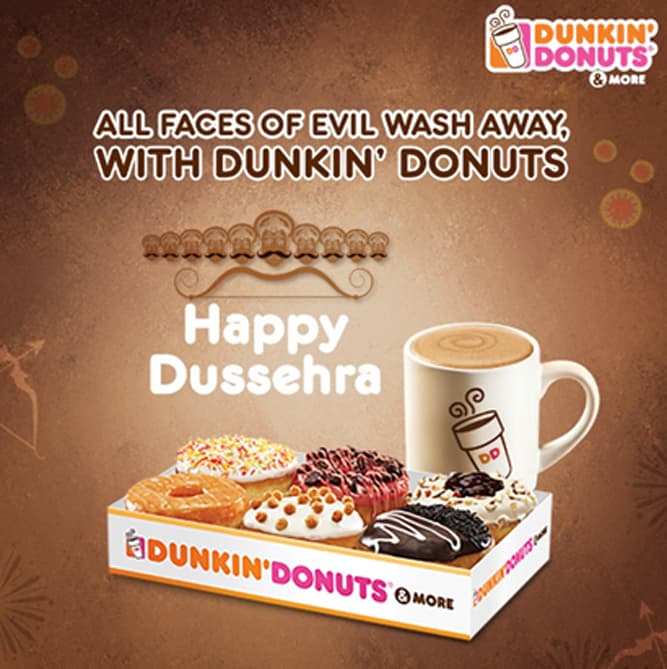
Dunkin's Dussehra campaign in India is a useful example. By acknowledging a local festival with culturally appropriate creative, they demonstrated relevance to a specific market.
The Indian festival calendar most brands underutilize:
Navratri (September/October): Nine nights of celebration across Gujarat and much of North India. Fashion, jewelry, and food brands have strong commercial opportunities here. The garba-inspired aesthetic and vibrant color palette offer rich creative territory.
Raksha Bandhan (August): One of the most gifting-intensive Indian festivals after Diwali. Gift sets, personalized products, sweets, and fashion all see meaningful demand spikes. Brands that build gift-focused campaigns and gift bundles specifically for Raksha Bandhan outperform those running generic "festival sale" messaging.
Eid al-Fitr (date varies): A significant commercial moment for brands with Muslim Indian audiences - estimated at over 200 million consumers. Fashion, home decor, food, and gifting categories see strong intent. Respectful, culturally appropriate campaigns that acknowledge the significance of Eid without being appropriative build lasting brand equity with this audience.
Onam (August/September): Kerala's harvest festival is a major commercial event for brands with Kerala presence or pan-India D2C businesses with significant Kerala audiences.
Localization is not just language translation. It involves adapting visual creatives, adjusting offers to reflect local shopping behavior, and timing campaigns around local peak windows.
9. Retargeting Is a Revenue Recovery Tool, Not a Vanity Play
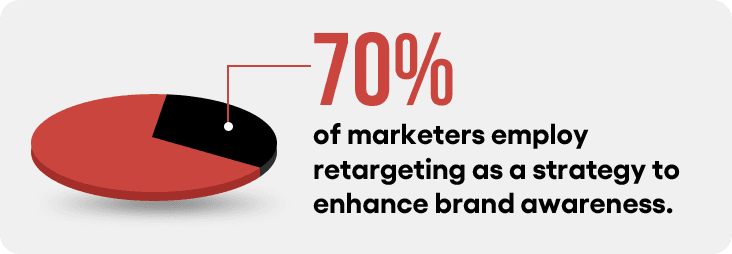
Not every visitor converts on first contact. During the festive season, that gap between intent and purchase is an opportunity.
Source: Klientboost
Retargeting campaigns using cookies and pixel data allow you to re-engage visitors who showed interest but did not complete a purchase. When combined with well-structured Google Ads seasonal campaigns, this is one of the most efficient uses of your ad budget during peak periods.
What works:
- Segment retargeting audiences by behavior. A product page visitor gets a different ad than someone who abandoned a cart.
- Use festive-specific creative in retargeting ads. Seasonal urgency cues improve click-through rates.
- Layer in loyalty signals. Past customers who have not purchased this season are a high-value retargeting segment.
Common mistake: Running retargeting with the same generic creative used in prospecting. Retargeted users already know your brand. Speak to them accordingly.
10. Customer Service Is a Revenue Function During Peak Season
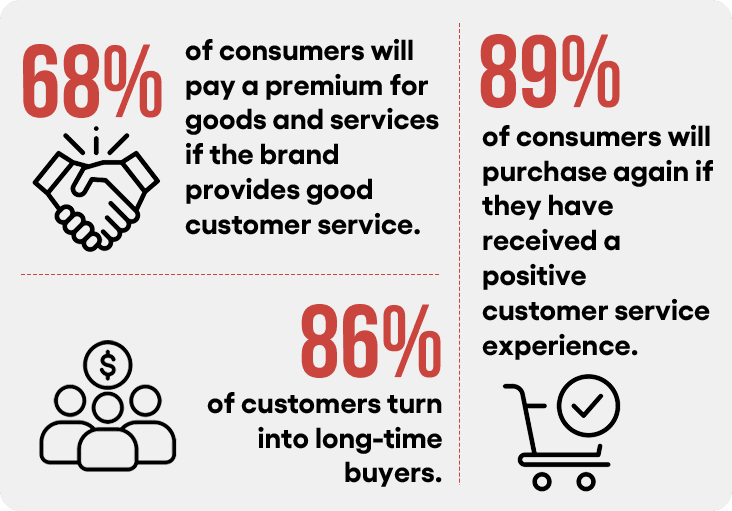
Poor customer service during the festive season does not just lose you the immediate sale. It loses you the customer relationship.
Source: Hubspot, Khoros, Salesforce Research
What does exceptional service look like operationally?
- Response time targets that match peak demand volumes
- Extended return and exchange windows for festive purchases
- Proactive communication on shipping timelines and potential delays
- Escalation paths that resolve issues in a single interaction
If you are scaling volume significantly during the festive season, your service team needs to be resourced for it. Understaffing customer support during peak is a false economy.
Strategic tip: Proactively communicate return policies and delivery timelines in your marketing emails. Reducing customer anxiety before purchase increases conversion rates.

11. Build Your Campaign Infrastructure Months Before the Season Starts
The brands that scramble in October have already lost ground.
Effective festive marketing is built on lead time. Content needs to be created, reviewed, and approved. Campaigns need to be structured, tested, and scheduled. For ecommerce brands, investing in ecommerce PPC services well ahead of peak season ensures your paid campaigns are optimized before bid costs escalate.
A planning framework worth following:
- August/September: Audience analysis, offer modeling, campaign briefs, festival calendar mapping (including Navratri, Eid, Dussehra, Raksha Bandhan)
- October: Asset creation, influencer onboarding, platform setup
- Early November: Soft launch, early access campaigns, pre-sale promotions
- Peak window (Diwali through Christmas): Live optimization, real-time response, customer service surge management
- Post-season (January): Performance review, retention campaigns, LTV recovery
Early planning is not just an operational advantage. It is a revenue advantage.
12. Monitor Performance in Real-Time and Adjust Without Hesitation
Festive campaigns are not set-and-forget. The market moves quickly. Consumer behavior during peak season is reactive. Your strategy needs to match that pace.
The KPIs worth tracking closely:
- Click-through rates by channel and creative variant
- Conversion rates across device types and audience segments
- Engagement levels on social content and email campaigns
- Cart abandonment rates before and after checkout flow changes
- Customer service resolution times and CSAT scores
What you do with that data matters as much as having it.
- If a specific offer is converting well on one channel, reallocate budget toward it.
- If email open rates are dropping mid-sequence, test a new subject line.
- If a particular audience segment is outperforming, build a lookalike and expand reach.
Real-time adjustment is not reactive panic. It is disciplined optimization.
Frequently Asked Questions
How do I localize a festive campaign for different Indian states?
Start by mapping which festivals have the highest commercial significance in each target state. Gujarat has Navratri as its primary festive commercial moment; Kerala has Onam; Tamil Nadu has Pongal. For each state-specific campaign, adapt the visual language (color palette, imagery), use the local language for key messages where possible, and time the campaign around local peak shopping days. The most important localization is timing - a campaign launched the week before Onam will outperform a generic "festival season" campaign running throughout October.
What is the best time to send festive marketing emails in India?
For promotional emails during Diwali season, Thursday and Friday evenings (7-9 PM IST) consistently produce strong open rates for Indian audiences - shoppers who are planning weekend purchases. For urgency-driven "last chance" emails, Saturday morning (9-11 AM IST) works well. Avoid Monday mornings (inbox competition from weekly newsletters) and Sunday evenings (low purchase intent). Test these against your own list - engagement patterns vary by audience segment.
How do I market during both Diwali and Christmas without content fatigue?
Treat them as distinct campaigns with their own creative themes, offer structures, and audience segments - not one continuous "festive season" push. Diwali focuses on gifting, home, and celebration (warm color palette, family themes). Christmas works better for lifestyle, personal reward, and year-end reflection (different visual language, different emotional territory). A 3-week gap between the peak Diwali window and your Christmas campaign launch gives your audience enough breathing room to engage with the next campaign with fresh attention.
Conclusion
The festive season is not just a traffic event. For many Indian brands, it is the single largest revenue window of the year. The decisions you make in how you plan, execute, and optimize during this period have a direct impact on annual revenue, customer acquisition cost, and long-term retention.
The 12 strategies above are not a checklist to run through mechanically. They are levers to pull selectively based on your audience, your margin structure, and your competitive position.
Start with audience clarity. Build your offer architecture around business outcomes. Execute with enough lead time to course-correct. Monitor with enough rigor to know what is actually working.
That is the difference between a festive season that meets target and one that drives real compounding value into Q1 and beyond.
Planning a Diwali campaign and want a revenue-focused review before you commit budget? We'll review your channel mix, offer structure, and creative strategy and give you a prioritized list of changes. Request a Campaign Teardown →

Aditya Kathotia
Founder & CEO
CEO of Nico Digital and founder of Digital Polo, Aditya Kathotia is a trailblazer in digital marketing. He's powered 500+ brands through transformative strategies, enabling clients worldwide to grow revenue exponentially. Aditya's work has been featured on Entrepreneur, Economic Times, Hubspot, Business.com, Clutch, and more. Join Aditya Kathotia's orbit on LinkedIn to gain exclusive access to his treasure trove of niche-specific marketing secrets and insights.