

Most education marketing fails before it starts. Not because the tactics are wrong, but because institutions treat digital marketing as an awareness play when it is, fundamentally, a conversion funnel with unusually high stakes at every stage.
A prospective student does not decide on a university the way someone buys a pair of running shoes. The decision takes months. It involves multiple stakeholders, family conversations, career anxiety, financial pressure, and a baseline of deep skepticism toward institutional marketing.
If your digital strategy is not built around that reality, you are spending your budget on noise.
The higher education market globally is worth over half a trillion dollars. The institutions that consistently capture their share of it are not the ones with the largest ad spend. They are the ones that show up at the right moment, with the right message, for the right person, and then do not fumble the conversion.
Here is what a strategy built around that outcome actually looks like.
1. Start With Audience Architecture, Not Channel Selection
Before you touch a platform, a keyword, or a creative brief, you need to know exactly who you are trying to reach and what they care about at each stage of their decision.
Most institutions default to two segments: prospective students and their parents. That is a starting point, not a strategy. Within those two groups, the decision drivers diverge sharply based on program type, geography, age bracket, career stage, and funding source.
A seventeen-year-old applying to a domestic undergraduate program is influenced by campus culture, peer perception, rankings, and social proof. A twenty-eight-year-old evaluating an executive MBA program weighs employer sponsorship, ROI on career progression, schedule flexibility, and faculty access.
Marketing to both groups from the same messaging framework is not just inefficient; it actively erodes trust with both.
Build audience segments around the decision stage, not just demographics. The questions someone asks at early awareness are different from the questions they ask when shortlisting. Map those questions explicitly. Then reverse-engineer the content and channels that should answer each one.
Where institutions go wrong: They run brand awareness campaigns to people who are already in the comparison phase, and conversion-focused ads to people who have not yet formed a preference. The sequencing matters as much as the content.
2. Your Website Is a Sales Tool, Not a Brochure
The institutional website is where most enrollment decisions either progress or stall. Yet the majority of higher education websites are built around institutional pride rather than applicant psychology.
There is a meaningful difference between a website that tells you how great an institution is and a website that helps a visitor understand whether this institution is right for them. The former generates vanity traffic. The latter generates applications.
The structural problems that cost enrolments:
Slow load time at the program page level. Homepage performance has improved across most institutions, but program-specific pages - often the destination for paid traffic and organic search - frequently load slowly. Every additional second of load time at this stage is a measurable drop in conversion.
Navigation built for internal stakeholders, not applicants. Many institutional sites are organized around departmental structure rather than the applicant journey. A prospective student interested in data science should not have to understand the difference between the faculty of science and the school of engineering to find the right program.
Landing pages that do not match ad intent. If your paid search ad promotes a January intake scholarship, the landing page should confirm that scholarship immediately, above the fold. Generic program pages as paid landing destinations are one of the most common and most expensive mistakes in education marketing.
Mobile optimization is not optional. A majority of initial research now happens on mobile. Pages that require horizontal scrolling, have pop-ups that obscure content, or serve unscaled images will lose applicants before a single word of your messaging lands.
3. SEO as an Enrolment Channel, Not a Vanity Metric
Search engine optimization for educational institutions is a long game with asymmetric returns. Done well, SEO for educational institutions delivers qualified traffic at a cost per acquisition that paid channels cannot match at scale, and unlike paid, it does not switch off when budget cycles end.
But the approach matters. Targeting broad, high-volume keywords like "best MBA programs" or "top universities in India" is an exercise in futility for most institutions.
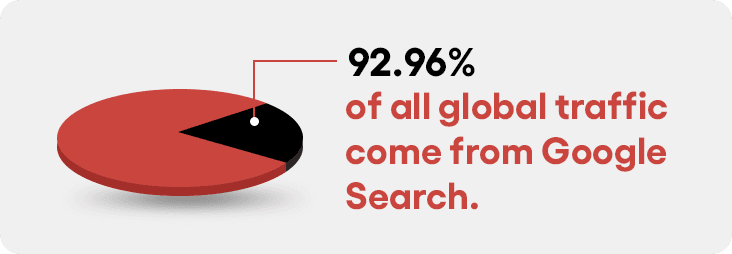
You are competing against ranking aggregators, editorial publishers, and institutions with domain authority built over decades. Winning on those terms takes years and requires more than content.
Where the opportunity actually is:
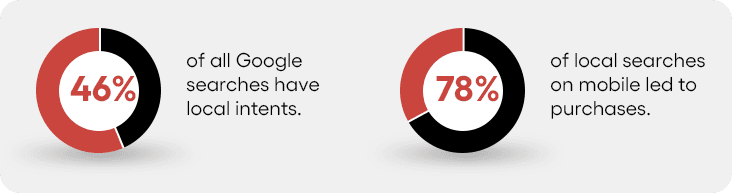
Program-specific long-tail queries carry strong intent and lower competition. Someone searching "part-time MBA with January intake for working professionals in Bangalore" is not browsing. They are shortlisting. Those searches happen thousands of times per month across every major program category, and most institutions are not capturing them.
Geographic specificity matters even for online programs. Location-qualified content outperforms generic content even when the program is fully online.
Topic clusters - not isolated pages - build topical authority in Google's current ranking model. Publishing a single page on "how to choose an MBA program" will not rank well. But a cluster of interconnected content covering program comparisons, ROI frameworks, application timelines, career outcomes by specialization, and alumni trajectories creates the kind of signal that search engines reward with sustained visibility.
4. Content That Earns Attention at Every Stage of the Funnel
Content marketing for educational institutions is not about publishing blog posts. It is about creating the information environment in which a prospective student makes their decision, and shaping that environment so your institution appears authoritative and credible at every critical moment.
Awareness-stage content should address the questions people ask before they even have an institution in mind. Career pivot guides, industry salary benchmarks, qualification comparisons, and "is this program right for me" frameworks all attract organic traffic from people at the top of the decision funnel.
Consideration-stage content answers the questions that arise once someone is actively evaluating. Program curriculum breakdowns, faculty credentials, accreditation explanations, industry partnerships, placement statistics, and student support resources all belong here.
Decision-stage content is where most institutions put all their effort, and ironically, where content matters least. By the time someone is ready to apply, content is not the primary obstacle. Trust, process clarity, and speed of follow-up are.
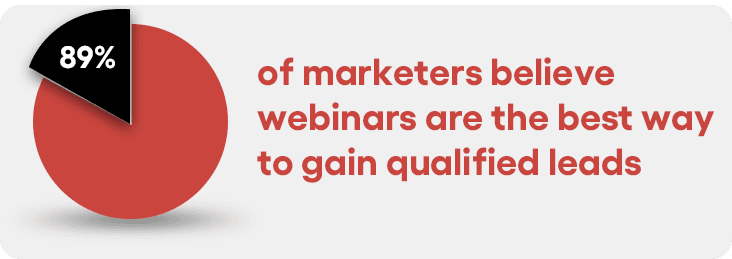
Where to invest disproportionately: Video testimonials from recent graduates are consistently among the highest-converting content assets in education marketing. Candid, specific accounts of career outcomes, learning experience, and program reality. Authentic peer social proof reduces perceived risk for applicants in ways that institutional copy cannot replicate.
Webinars and virtual open days, when structured around applicant questions rather than institutional presentations, generate both lead volume and lead quality that broad awareness campaigns rarely match.
5. Paid Media: Where to Spend and Where to Stop
Paid advertising in education marketing is effective when it is used to accelerate conversion among people already in the funnel, not to replace organic discovery.
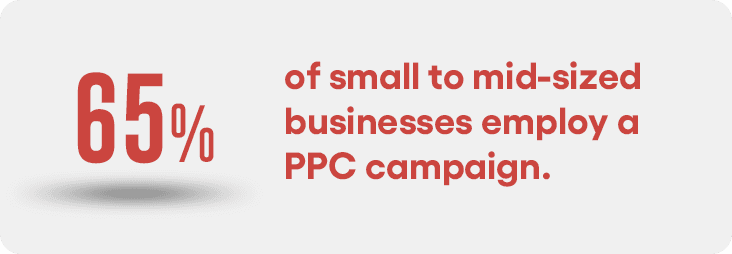
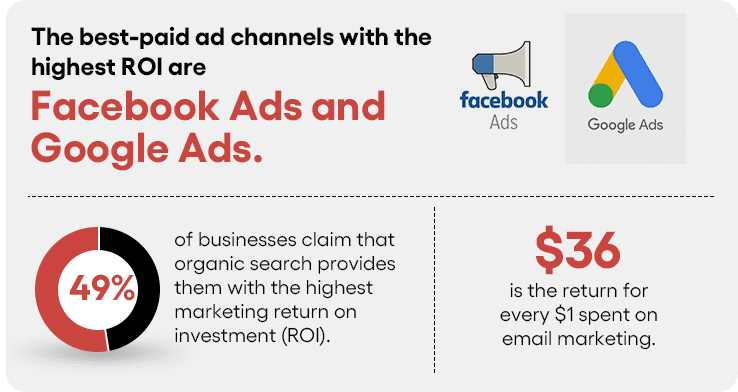
Google Search Ads work well for capturing high-intent, program-specific queries. Bidding on your own brand name is non-negotiable. Competitors bid on your brand. If you are not defending that space, you are funding their enrolments.
Meta (Facebook and Instagram) remains effective for reach and retargeting in education, particularly for programs targeting career changers and working professionals in the 25 to 45 bracket. The targeting capabilities for life-stage signals, job title, and interest categories make it well-suited for reaching people who are not yet searching but would respond to the right message.
LinkedIn is underutilized for postgraduate and professional development programs. For executive education and MBA programs in particular, LinkedIn can reach decision-ready prospects that other channels miss.
What to stop doing: Broad Google Display Network campaigns with generic creative. Retargeting campaigns that show the same homepage banner to someone who visited a specific program page. Any paid strategy that is not supported by a conversion-optimized landing page.
6. Social Media Marketing As a Lever for Enrolment
Prospective students are forming impressions of your institution on social media long before they visit your website or speak to anyone in your admissions team.
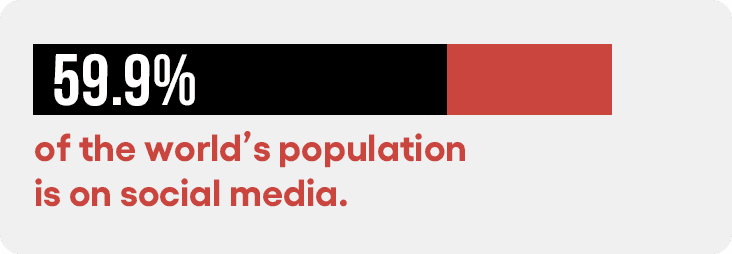
Choose Platforms Based on Your Audience, Not Trends
- Instagram and YouTube - effective for building awareness and brand affinity among younger undergraduate applicants through visual and video content
- LinkedIn - the primary platform for reaching postgraduate, professional, and executive education audiences who are evaluating career impact
- Facebook - still valuable for reaching mature students, parents, and international applicants, and particularly effective for targeted paid advertising
- YouTube - one of the highest-intent platforms available, as prospective students actively search for campus tours, student vlogs, and programme overviews
Organic Content That Actually Performs
Polished promotional posts and generic achievement announcements are consistently outperformed by content that feels human and specific. High-performing organic content formats for educational institutions include:
- Student and alumni stories told in their own words
- Behind-the-scenes content showing campus life, teaching environments, and student community
- Faculty perspectives on industry trends
- Honest, practical posts about the application process, funding options, and what to expect
- User-generated content from current students
Paid Social Advertising as a Precision Tool
Paid social advertising works best when used to retarget website visitors who viewed specific programme pages but did not enquire, promote high-value lead generation content such as open day registrations and webinars, and reach lookalike audiences modelled on the profiles of recently enrolled students.
7. WhatsApp as a Lead Nurture and Conversion Channel
WhatsApp is the single most underutilized lead nurture channel in Indian education marketing. Most institutions collect student inquiries and follow up by phone and email. Few have built systematic WhatsApp nurture workflows despite WhatsApp having 90%+ open rates in India.
Why WhatsApp outperforms email for Indian education leads:
An inquiry from a student interested in your MBA program needs timely, personalized follow-up. Email typically reaches them. WhatsApp reaches them immediately and is read in minutes. A student who receives a prompt WhatsApp response with relevant program information, a counsellor's mobile number, and a direct link to book a call is significantly more likely to move forward than one who receives an email that sits in their inbox for 48 hours.
A WhatsApp nurture sequence for education leads:
- Day 0 (immediate): Welcome message with programme brochure PDF and a link to book a counsellor call
- Day 3: Student testimonial video or alumni career outcome case study
- Day 7: Application deadline reminder and scholarship information
- Day 14: Virtual open day or webinar invitation
- Day 21: Final follow-up from counsellor with direct contact information
Use WhatsApp Business API (via Interakt, Wati, or similar providers) to automate this sequence while keeping messages personalized by programme interest.
8. Email as a Conversion Channel, Not a Newsletter Function
Email marketing in education is widely underestimated, largely because most institutions use it as a broadcast tool rather than a nurture system.
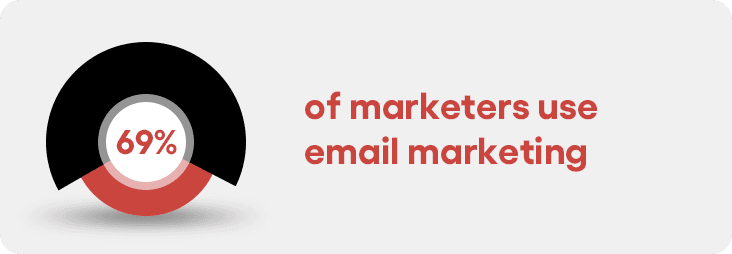
The prospect list is not a homogeneous audience. Someone who submitted an inquiry six months ago is in a fundamentally different state than someone who downloaded a brochure yesterday. Sending the same message to both is a waste of the relationship you have already built.
Effective education email programs are segmented by inquiry date, program interest, engagement level, and application stage. The message cadence, tone, and content shift accordingly.
Automated sequences triggered by specific behaviors - webinar attendance, brochure downloads, and program page visits - reduce the manual load on admissions teams while maintaining contact frequency during the critical window between inquiry and application.
9. Marketing for Coaching Institutes and Test-Prep Segments
Coaching institutes preparing students for JEE, NEET, CAT, UPSC, and other competitive examinations represent a distinct and massive segment of Indian education marketing - and one that most "education marketing" content ignores entirely.
The marketing dynamics for coaching institutes differ meaningfully from those for universities:
Decision timeline is shorter. A student decides on coaching in weeks, not months. Marketing campaigns need to create urgency and convert quickly.
Parents are often the decision-makers. For JEE and NEET coaching, parents - not students - typically finalize the enrollment. Marketing to parents on Facebook and through WhatsApp parental groups is more effective than student-focused channels.
Outcomes are the primary selling point. "X students cleared NEET from our institute in 2026" is more persuasive than any brand messaging. Develop your results communication strategy explicitly.
Effective channels for coaching institute marketing:
- YouTube: Free concept videos, topper interviews, and exam strategy content build authority and attract organic students who become paid leads
- Google Search Ads for high-intent queries: "best JEE coaching in [city]," "NEET preparation classes near me"
- Facebook Ads targeting parents of students in Class 11-12 in your target geography
- WhatsApp broadcast to parent groups and former student networks
- Free demo class campaigns - the single highest-converting lead magnet for test-prep institutes
10. Reputation Management as a Revenue Function
Online reviews now influence shortlisting decisions more than most institutions acknowledge. Platforms like Google, QS, Trustpilot, Shiksha, and CollegeDekho have become part of the informal due diligence process that prospective students run before they contact an institution.
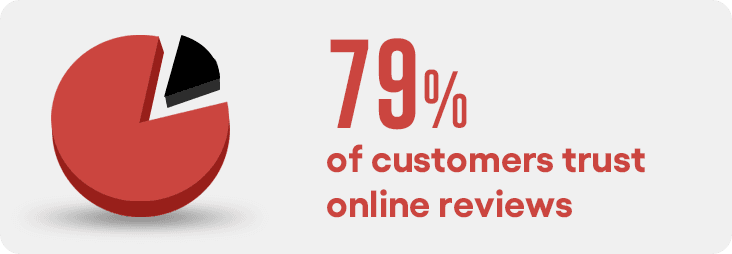
The institutions that manage this well do not just respond to reviews. They actively design moments in the student journey that prompt satisfied students to share their experience publicly.
Negative reviews, handled professionally and specifically rather than with generic corporate responses, actually build more trust with prospective students than an unbroken record of five-star ratings.
11. Analytics: Measure What Influences Enrolment
Marketing analytics in education suffers from a common structural problem. Teams measure marketing metrics - clicks, sessions, engagement rate, and cost per lead - while the commercial team measures enrolment. The two datasets rarely inform each other.
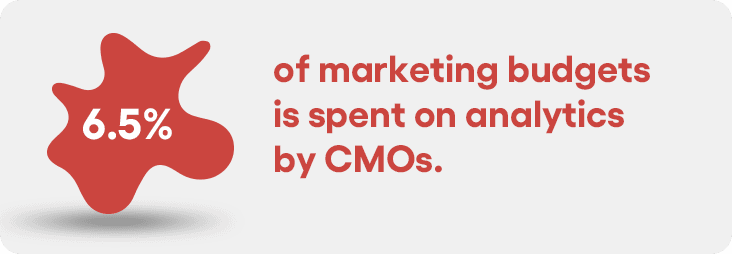
At minimum, track:
- channel-level cost per qualified inquiry (not just inquiry),
- application start rate by source,
- application completion rate by source, and
- enrolment conversion rate by channel.
These four metrics will tell you more about marketing efficiency than any dashboard of vanity metrics.
The Channels Emerging Now That Matter Later
AI-powered search is reshaping how prospective students find information. Institutions with strong semantic content coverage and well-structured program information will appear in AI-mediated search results more readily than those with thin, keyword-stuffed pages.
Short-form video on platforms like Instagram Reels and YouTube Shorts is an effective awareness channel for programs targeting younger demographics. The content that performs is unscripted and human - current students showing a day in their life, honest reflections on what the program is actually like.
Voice search still aligns with FAQ and guide-format content that already performs well in organic search.
Influencer partnerships with education-adjacent content creators - career coaches, industry professionals, and study vloggers - can generate reach and credibility with audiences that institutional channels cannot access organically.
The Strategic Reality
Digital marketing for educational institutions works when it is built around the applicant decision journey rather than the institution's communication preferences. The channels are secondary. The sequence, the targeting, the content quality, and the measurement framework are what separate enrollment growth from budget spent.
There is no single tactic here that delivers results in isolation.
- SEO without landing page conversion optimization wastes organic traffic.
- Paid media without a nurture sequence burns the budget on leads that disengage. Structured lead generation for education combines both - capturing high-intent enquiries and building the follow-up architecture that turns them into applications.
- Content without distribution reaches no one.
The institutions that consistently grow enrolment treat these elements as a connected system, not a checklist of activities.
Frequently Asked Questions
Which is better for college marketing in India - Google Ads or Meta Ads?
Both serve different roles and work best together. Google Search Ads capture students actively searching for programs - high intent, faster conversion. Meta Ads reach students who aren't searching yet but match your target profile - broader reach, lower intent, longer nurture required. For most institutions, Google Search Ads for branded and program-specific queries plus Meta retargeting for website visitors is the optimal starting combination.
How do I market a new college or university with no reputation or rankings?
Focus on specific, defensible claims rather than competing on brand prestige. Lead with faculty credentials, industry partnerships, placement commitments, and program specificity. Target students who are being underserved by established institutions - specific program niches, geographic markets, learning formats (evening programs, online-offline hybrid). Google Search Ads allow you to appear for high-intent queries from day one while you build organic authority through content and reviews over 12-24 months.
What digital marketing strategies work for international student recruitment?
Focus on Google Search Ads and LinkedIn targeting international students in key source markets. Create landing pages in the language and cultural context of each source market. Build content addressing the specific concerns of international students (visa processes, housing, career outcomes for international graduates). YouTube works well for international student testimonials - authentic video from current international students is highly trusted by prospective international applicants.
Is your enrollment pipeline converting less than 20% of inquiries to applications? We build and fix the digital marketing funnel for educational institutions - from first click to enrolled student. Get a Free Enrollment Funnel Audit →

Aditya Kathotia
Founder & CEO
CEO of Nico Digital and founder of Digital Polo, Aditya Kathotia is a trailblazer in digital marketing. He's powered 500+ brands through transformative strategies, enabling clients worldwide to grow revenue exponentially. Aditya's work has been featured on Entrepreneur, Economic Times, Hubspot, Business.com, Clutch, and more. Join Aditya Kathotia's orbit on LinkedIn to gain exclusive access to his treasure trove of niche-specific marketing secrets and insights.